The Impact of IoT on Air Filter Certifications
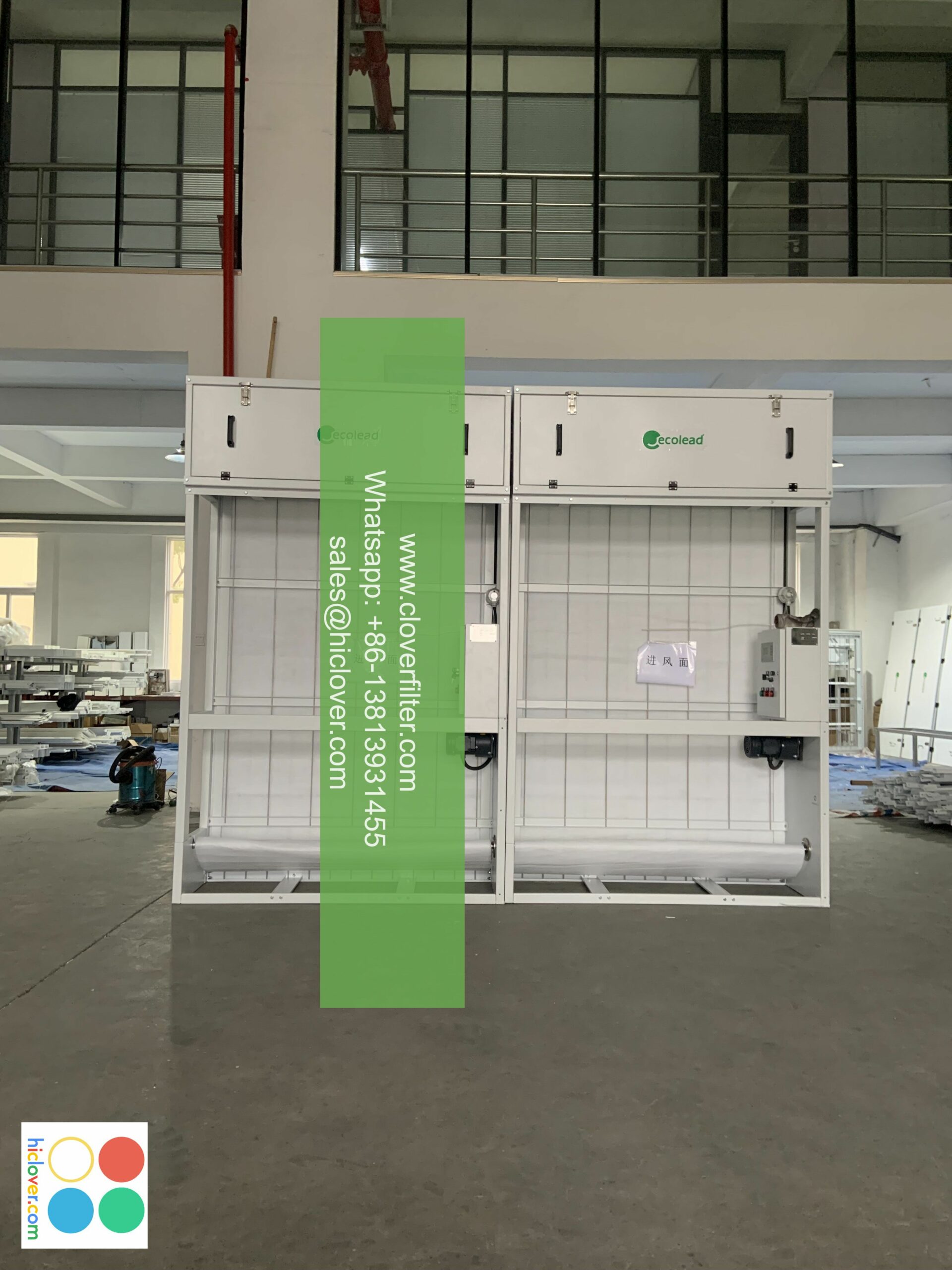
The Internet of Things (IoT) has revolutionized various industries, and the air filtration sector is no exception. The integration of IoT technology has significantly impacted air filter certifications, enabling real-time monitoring, improved efficiency, and enhanced quality assurance. In this article, we will explore the impact of IoT on air filter certifications and highlight various application areas.
Introduction to IoT-Enabled Air Filters
IoT-enabled air filters are equipped with sensors and connectivity features that allow for remote monitoring and data analysis. These smart filters can detect changes in air quality, temperature, and humidity, providing valuable insights for maintenance, replacement, and optimization. By leveraging IoT technology, manufacturers can now produce air filters that are not only efficient but also intelligent and connected.
Enhanced Quality Assurance through IoT
The IoT has transformed the air filter certification process by providing real-time data and analytics. This enables manufacturers to monitor filter performance, detect potential issues, and make data-driven decisions. IoT-enabled air filters can be certified based on their actual performance, rather than just theoretical calculations. This approach ensures that air filters meet the required standards, such as those set by the ASHRAE (American Society of Heating, Refrigerating, and Air-Conditioning Engineers) and ISO (International Organization for Standardization).
Key Application Areas: Industrial, Commercial, and Residential
The impact of IoT on air filter certifications is evident in various application areas, including:
* Industrial Air Filtration: IoT-enabled air filters are used in industries such as manufacturing, healthcare, and pharmaceuticals, where air quality is critical. These filters can detect pollutants, particulate matter, and other contaminants, ensuring a safe and healthy environment.
* Commercial Air Filtration: IoT-enabled air filters are used in commercial buildings, such as offices, hotels, and shopping centers. These filters can optimize energy consumption, reduce maintenance costs, and improve indoor air quality.
* Residential Air Filtration: IoT-enabled air filters are used in homes and apartments, providing real-time monitoring and personalized recommendations for filter replacement and maintenance.

Benefits of IoT-Enabled Air Filter Certifications
The integration of IoT technology in air filter certifications offers several benefits, including:
* Improved Efficiency: IoT-enabled air filters can optimize energy consumption, reduce waste, and minimize maintenance costs.
* Enhanced Air Quality: IoT-enabled air filters can detect and remove pollutants, particulate matter, and other contaminants, ensuring a healthy and safe environment.
* Increased Transparency: IoT-enabled air filters provide real-time data and analytics, enabling manufacturers to make data-driven decisions and consumers to make informed choices.
Future Outlook: Artificial Intelligence, Machine Learning, and Predictive Maintenance
The future of air filter certifications is closely tied to the development of emerging technologies such as artificial intelligence, machine learning, and predictive maintenance. As IoT technology continues to evolve, we can expect to see even more sophisticated air filters that can learn, adapt, and self-optimize. This will enable manufacturers to produce air filters that are not only efficient and effective but also predictive and proactive.
In conclusion, the impact of IoT on air filter certifications has been significant, enabling real-time monitoring, improved efficiency, and enhanced quality assurance. As the technology continues to evolve, we can expect to see even more innovative applications in various industries, from industrial and commercial to residential. By embracing IoT-enabled air filters, manufacturers can ensure that their products meet the highest standards of quality, safety, and performance. You haven’t asked a question or provided any context. What would you like to talk about?
