Cleanroom Air Quality Control: The Science Behind Automatic Roll Air Filter’s Solutions
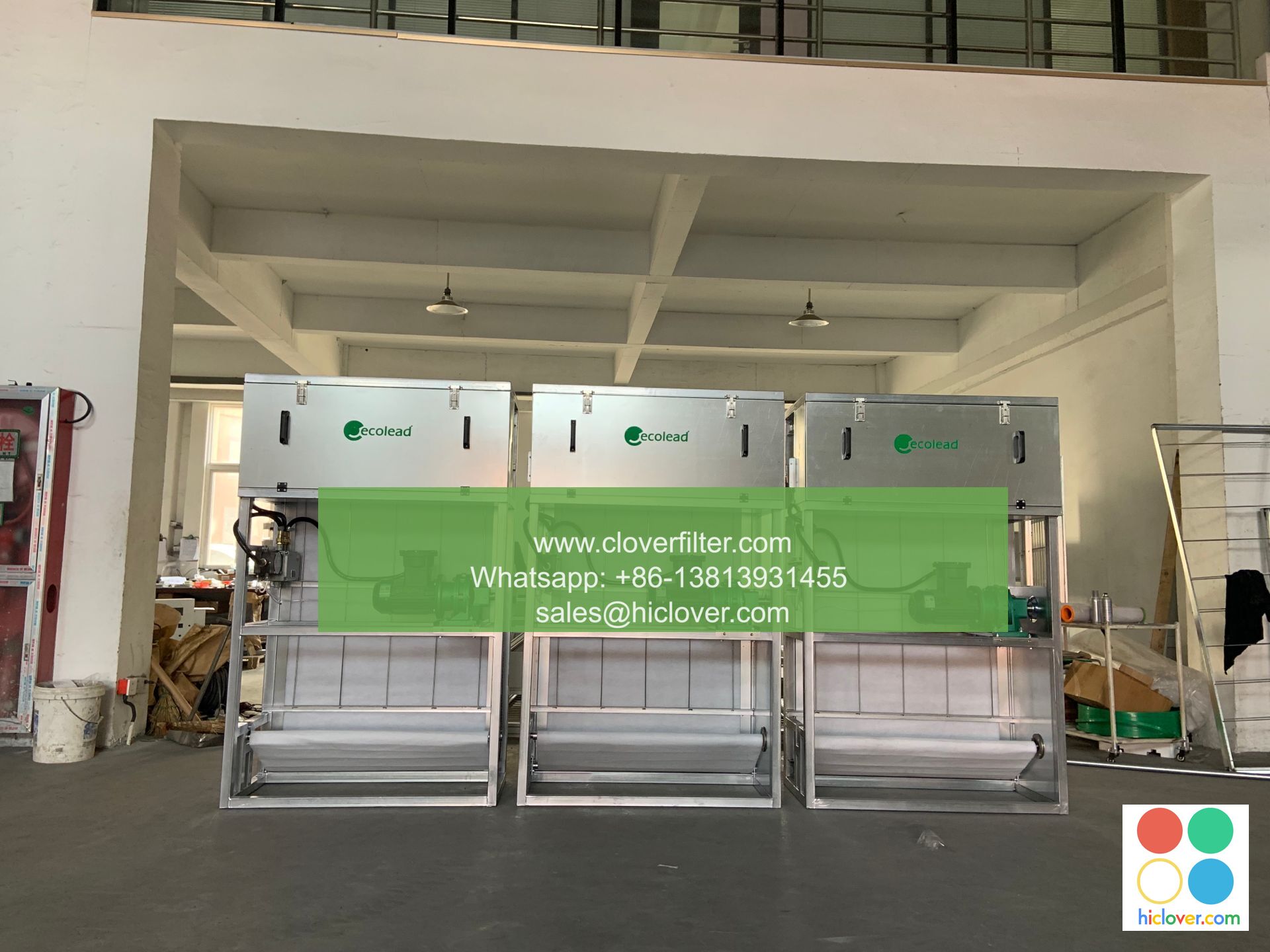
Cleanrooms are controlled environments that require precise temperature, humidity, and air quality control to prevent contamination and ensure the quality of products manufactured within them. One of the critical aspects of cleanroom air quality control is the use of high-quality air filtration systems. Automatic Roll Air Filters (ARAFs) have emerged as a popular solution for cleanroom air quality control due to their efficiency, reliability, and cost-effectiveness.
The science behind ARAFs lies in their ability to capture airborne particles and contaminants, thereby preventing them from entering the cleanroom. ARAFs use a unique blend of filter media, including activated carbon, HEPA filters, and pre-filters, to capture particles as small as 0.3 microns. The filters are designed to be automatically advanced and replaced, ensuring continuous air quality control without interruptions.

ARAFs work on the principle of continuous airflow monitoring and adjustment. The system is equipped with sensors that monitor the airflow and adjust the filter media accordingly. This ensures that the air quality in the cleanroom remains consistent and within the required specifications. The automatic roll air filter system also includes a control unit that monitors the filter’s performance and alerts the operator when the filter needs to be replaced.
The benefits of using ARAFs in cleanrooms are numerous. Firstly, they provide superior air quality control, which is essential for preventing contamination and ensuring product quality. Secondly, ARAFs are designed to minimize downtime and reduce maintenance costs. The automatic filter replacement system ensures that the cleanroom remains operational at all times, without interruptions. Thirdly, ARAFs are energy-efficient and cost-effective, making them an attractive solution for industries that require high-quality air filtration systems.
ARAFs have a wide range of applications in various industries, including pharmaceuticals, biotechnology, electronics, and aerospace. In the pharmaceutical industry, for example, ARAFs are used to control airborne particles and contaminants in cleanrooms where medicines are manufactured. In the electronics industry, ARAFs are used to prevent static electricity and contamination in cleanrooms where electronic components are assembled.
In addition to their technical benefits, ARAFs also offer several operational advantages. They are easy to install and maintain, and require minimal training to operate. The control unit is user-friendly and provides real-time monitoring of the filter’s performance. The automatic filter replacement system also reduces the risk of human error, ensuring that the cleanroom remains contamination-free at all times.

Furthermore, ARAFs are designed to meet the stringent requirements of cleanroom air quality control. They are compliant with various industry standards, including ISO 14644-1 and ISO 14644-2, which specify the requirements for cleanroom air quality control. ARAFs are also compatible with various types of cleanroom equipment, including laminar flow cabinets, fume hoods, and biological safety cabinets.
In conclusion, Automatic Roll Air Filters have revolutionized the field of cleanroom air quality control. Their unique blend of filter media, automatic filter replacement system, and real-time monitoring capabilities make them an ideal solution for industries that require high-quality air filtration systems. With their numerous benefits, including superior air quality control, minimized downtime, and energy efficiency, ARAFs are poised to become the industry standard for cleanroom air quality control.
Conclusion
In summary, ARAFs offer a reliable, efficient, and cost-effective solution for cleanroom air quality control. Their ability to capture airborne particles and contaminants, combined with their automatic filter replacement system and real-time monitoring capabilities, make them an essential component of any cleanroom. As the demand for high-quality air filtration systems continues to grow, ARAFs are likely to play an increasingly important role in industries that require precise air quality control.
FAQs
Q: What is the purpose of an Automatic Roll Air Filter in a cleanroom?
A: The purpose of an ARAF is to capture airborne particles and contaminants, preventing them from entering the cleanroom and ensuring the quality of products manufactured within.
Q: How do ARAFs work?
A: ARAFs work on the principle of continuous airflow monitoring and adjustment, using a unique blend of filter media to capture particles as small as 0.3 microns.
Q: What are the benefits of using ARAFs in cleanrooms?
A: The benefits of using ARAFs include superior air quality control, minimized downtime, energy efficiency, and cost-effectiveness.
Q: What industries use ARAFs?
A: ARAFs are used in various industries, including pharmaceuticals, biotechnology, electronics, and aerospace.
Q: Are ARAFs compatible with other cleanroom equipment?
A: Yes, ARAFs are compatible with various types of cleanroom equipment, including laminar flow cabinets, fume hoods, and biological safety cabinets.
