The Benefits of HEPA Air Filters: A Tutorial on Installation and Maintenance
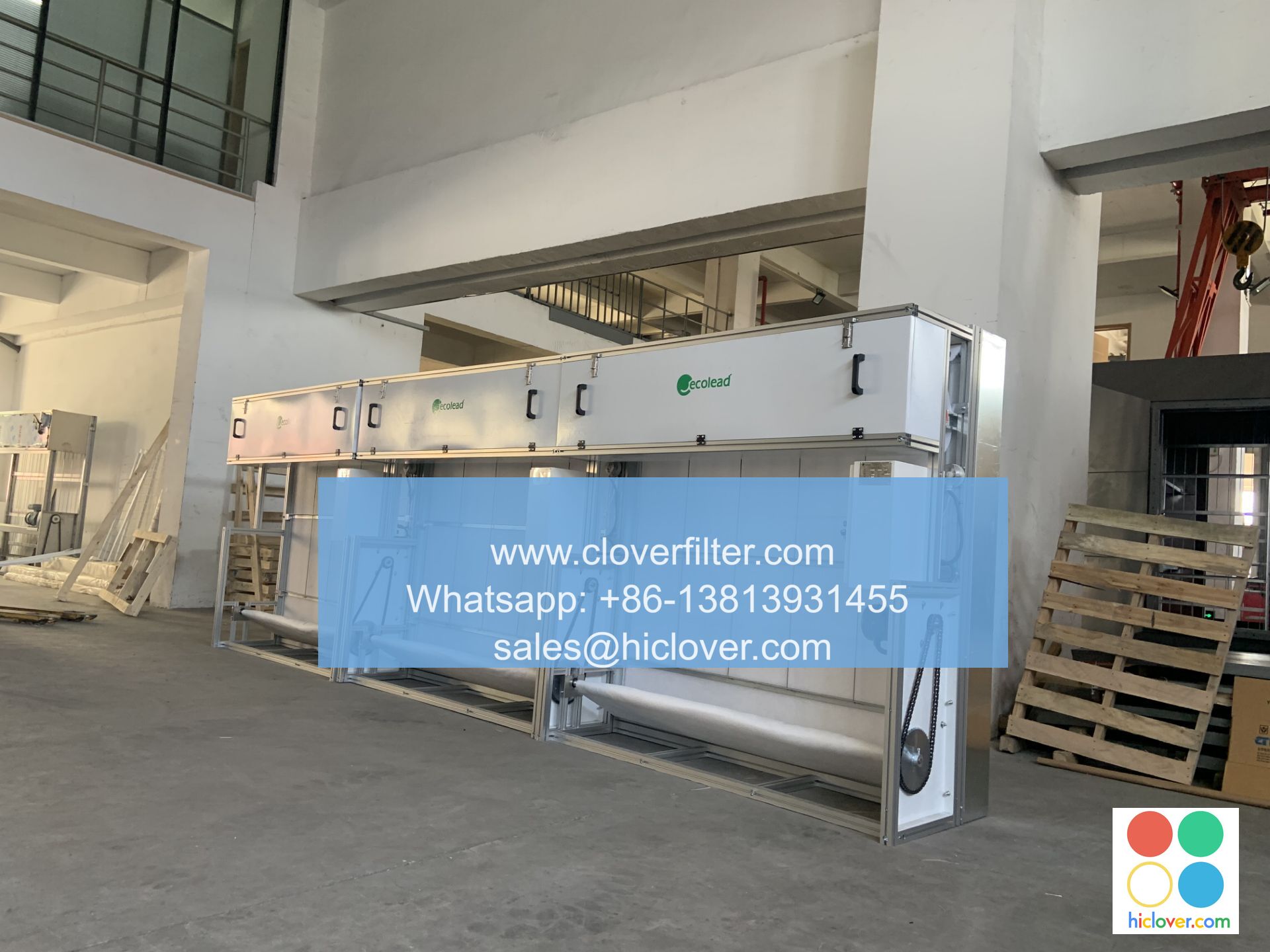
HEPA (High Efficiency Particulate Air) filters have become an essential component in maintaining good indoor air quality, particularly in residential, commercial, and industrial settings. These filters are designed to capture 99.97% of particles as small as 0.3 microns, including dust, pollen, mold, bacteria, and other airborne pollutants. In this article, we will explore the benefits of HEPA air filters, provide a step-by-step tutorial on installation, and offer tips on maintenance to ensure optimal performance.
Benefits of HEPA Air Filters
The benefits of HEPA air filters are numerous and far-reaching. Some of the most significant advantages include:
- Improved Indoor Air Quality: HEPA filters can significantly reduce the concentration of airborne pollutants, creating a healthier environment for occupants.
- Relief from Allergies and Asthma: By capturing allergens and irritants, HEPA filters can help alleviate symptoms of allergies and asthma.
- Reduced Odors and Gases: HEPA filters can also capture odor-causing particles and gases, leaving the air smelling fresher and cleaner.
- Increased Energy Efficiency: By reducing the amount of airborne particles, HEPA filters can help improve the energy efficiency of heating and cooling systems.
- Residential Air Purification: HEPA filters are commonly used in home air purifiers to improve indoor air quality.
- Commercial Air Filtration: HEPA filters are used in commercial HVAC systems to maintain good indoor air quality and reduce occupant complaints.
- Industrial Air Cleaning: HEPA filters are used in industrial settings to capture hazardous particles and gases, protecting workers and equipment.
- Medical Facilities: HEPA filters are used in hospitals and medical facilities to maintain sterile environments and prevent the spread of infections.
- Turn off the power to the air filtration system.
- Locate the filter housing and remove any screws or clips holding it in place.
- Remove the old filter and dispose of it properly.
- Take the new HEPA filter and insert it into the filter housing.
- Replace the screws or clips to secure the filter housing.
- Turn on the power to the air filtration system and check for any air leaks.
- Check the Filter Regularly: Check the filter every 1-3 months to ensure it’s not clogged or damaged.
- Clean the Filter: Depending on the type of filter, you may be able to vacuum or wash it to remove dust and debris.
- Replace the Filter: Replace the filter every 6-12 months or as recommended by the manufacturer.
- Monitor Air Quality: Use an air quality monitor to track the indoor air quality and adjust the filter as needed.
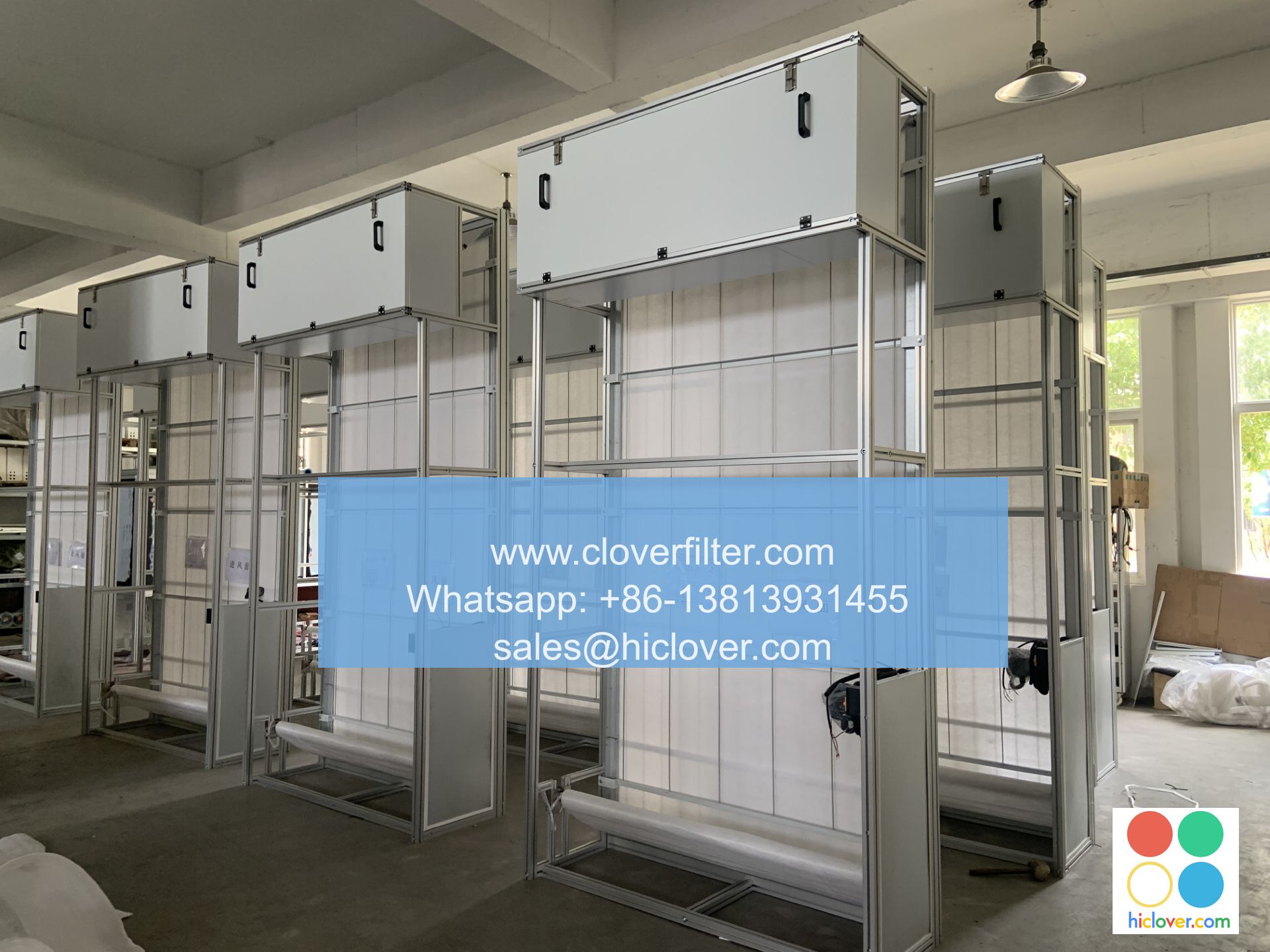
Application Areas of HEPA Air Filters
HEPA air filters have a wide range of applications, including:

Installation Tutorial
Installing a HEPA air filter is a relatively straightforward process. Here are the steps to follow:
Maintenance Tips
To ensure optimal performance, it’s essential to maintain your HEPA air filter regularly. Here are some tips to follow:
In conclusion, HEPA air filters are a crucial component in maintaining good indoor air quality. By following the installation tutorial and maintenance tips outlined in this article, you can ensure optimal performance and reap the benefits of HEPA air filtration in various application areas, including residential, commercial, and industrial settings. Remember to always prioritize indoor air quality and take steps to maintain a healthy environment for occupants. It seems like you haven’t provided a prompt or question for me to answer. Could you please provide more context or clarify what you would like to know? I’ll do my best to assist you.
