Enhancing Container Yard Operations: The Role of Automatic Roll Intake Filtration
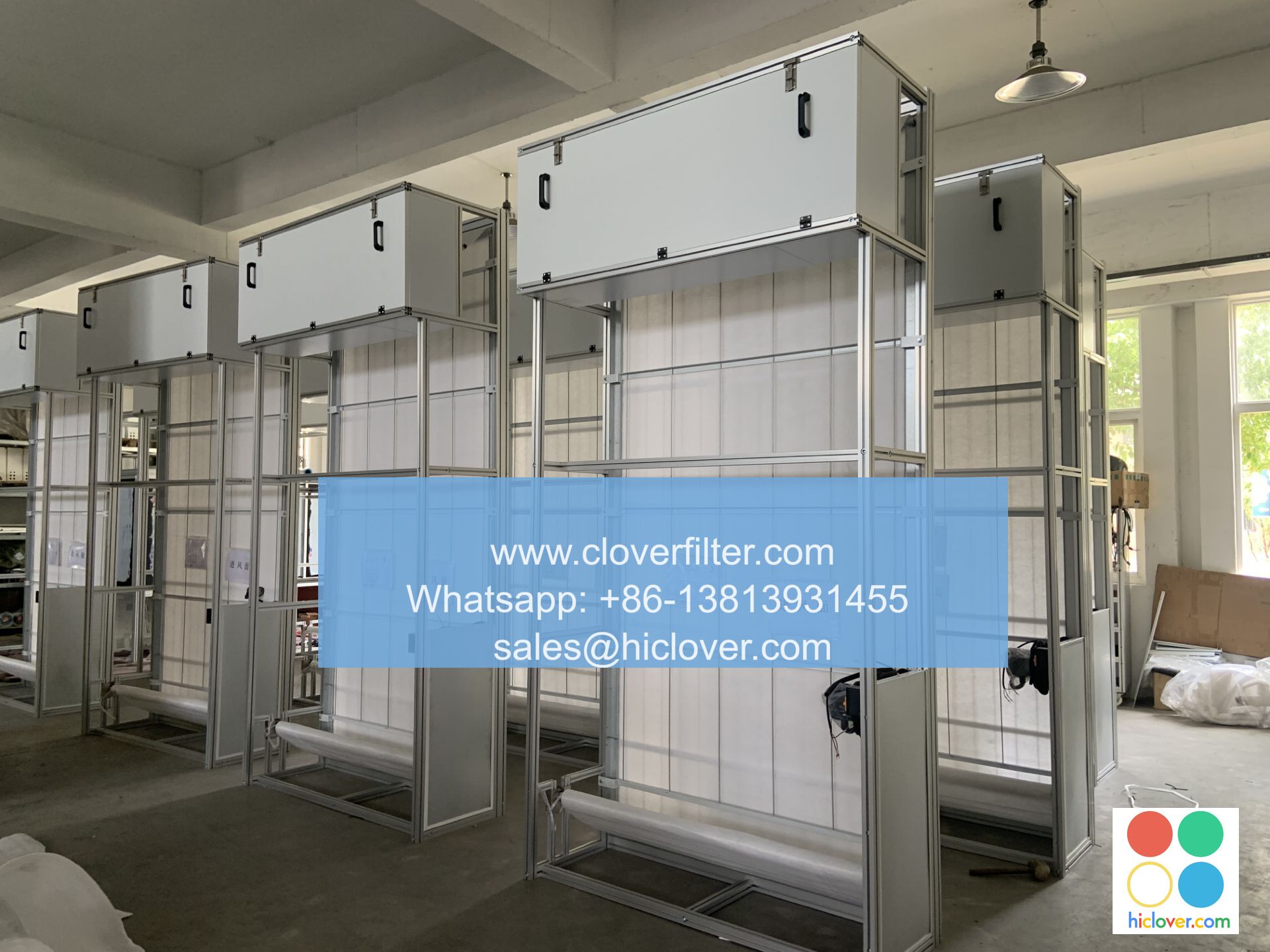
Container yards play a vital role in the logistics and supply chain industry. The handling, storage, and movement of containers are critical activities that require efficiency and precision. One of the innovative technologies improving container yard operations is Automatic Roll Intake Filtration (ARIF). This article explores how ARIF enhances operations, improves safety, and reduces costs in various application areas.
Understanding Automatic Roll Intake Filtration

Automatic Roll Intake Filtration refers to a sophisticated system designed to filter and manage the intake of water and other fluids in container yard operations. The system utilizes advanced engineering to automatically collect debris, contaminants, and sediments, ensuring a clean and efficient operation. This technology not only addresses environmental concerns but also enhances operational efficiency.
Key Benefits of Automatic Roll Intake Filtration
- Improved Efficiency: By automatically filtering contaminants, ARIF systems streamline water management processes, leading to quicker turnaround times for maintenance and operations.
- Cost Reduction: Cleaner fluids reduce wear and tear on machinery, lowering repair costs and prolonging the lifespan of equipment.
- Environmental Compliance: Using ARIF contributes to better environmental practices, helping container yards meet regulatory requirements regarding water quality and discharge.
- Safety Enhancement: A cleaner operational environment means reduced slip hazards and safer working conditions for employees.

Application Areas of ARIF in Container Yard Operations
The implementation of Automatic Roll Intake Filtration spans various application areas, making it a versatile solution for container yard operations:
1. Wastewater Management
ARIF systems are integral to managing wastewater generated from routine operations. By ensuring that harmful contaminants are filtered out before discharge, container yards can operate sustainably and in compliance with environmental standards.
2. Equipment Maintenance
Regular machinery maintenance is vital for container yard operations. ARIF systems filter fluids used in equipment, minimizing the risk of damage from debris and extending the operational life of critical machinery.
3. Spill Containment and Recovery
In the event of spills, ARIF systems can quickly filter out hazardous materials, providing a rapid response and cleanup solution. This helps prevent environmental contamination and protects worker safety.
4. Stormwater Management
Container yards often face the challenge of stormwater runoff. Implementing ARIF can significantly improve stormwater quality through effective filtration practices, contributing to local waterway health.
Conclusion
As container yard operations continue to evolve with technology, Automatic Roll Intake Filtration stands out as a crucial element in enhancing efficiency, safety, and environmental compliance. By adopting ARIF systems, businesses can optimize their operations and meet the growing demands of the logistics industry, ensuring a cleaner and more sustainable future.
It looks like your message got cut off. Could you please provide me with more details or specify what kind of prompt you need? I’m here to help!
