Regina’s Chemical Production Facility: The Importance of Regular Maintenance for Automatic Roll Air Filters
Introduction
In today’s industrial landscape, chemical production facilities like Regina’s must prioritize the maintenance of their equipment and systems for optimal performance. Among these, automatic roll air filters play a crucial role in maintaining air quality and ensuring the safety of the production environment. Regular maintenance of these systems is not just a necessity but a fundamental aspect of operational efficiency and sustainability.

The Role of Automatic Roll Air Filters
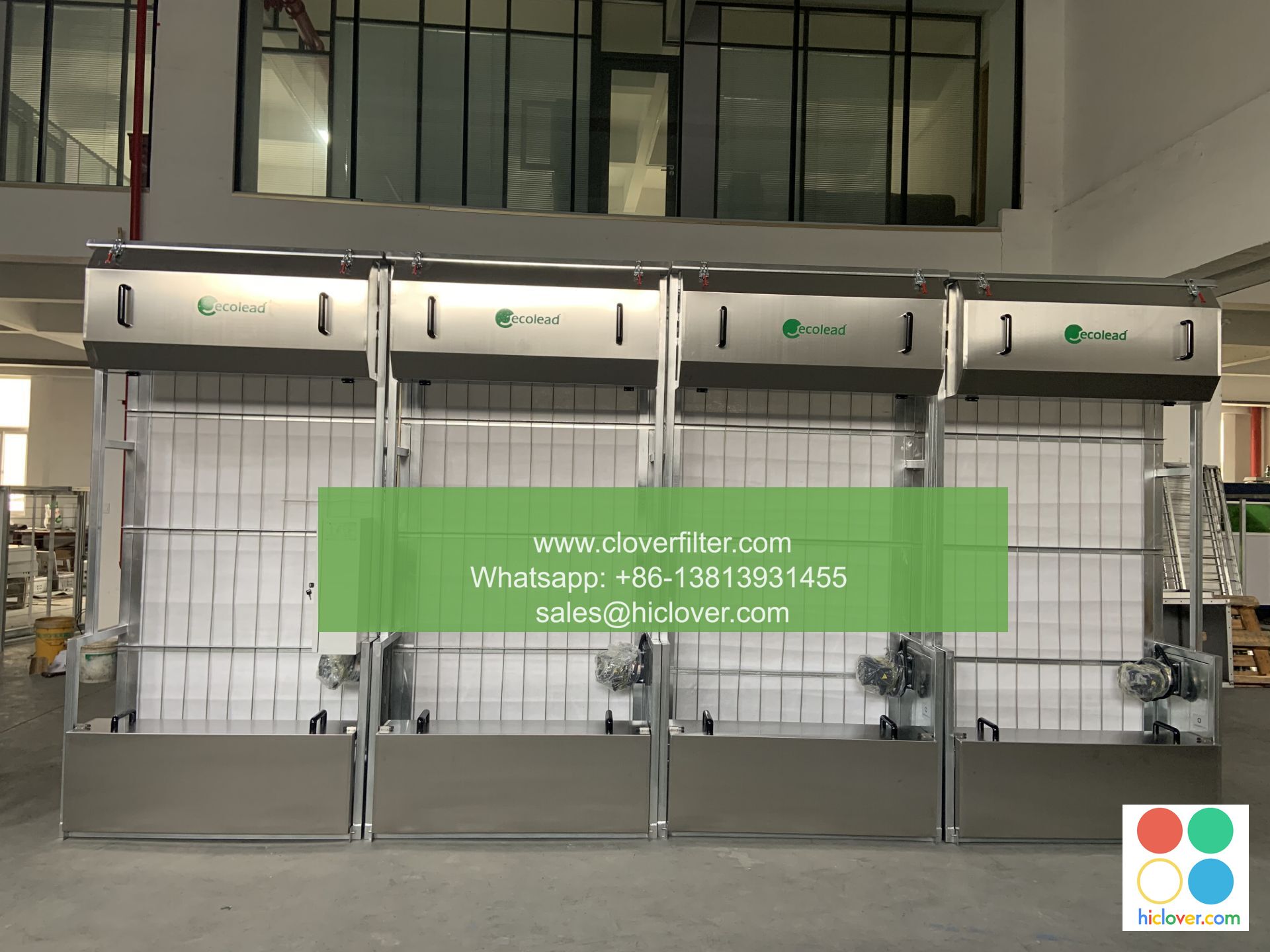
Automatic roll air filters are essential components in mitigating airborne contaminants in chemical production facilities. They operate by continuously filtering out particulate matter, ensuring that the air circulating within the facility remains clean and safe for both the workforce and the sensitive chemical processes taking place.
These filters are designed to handle high volumes of airflow and are equipped with advanced features such as self-cleaning mechanisms and sensors that monitor air quality and filter efficiency. However, like all mechanical systems, they are susceptible to wear and tear, necessitating regular maintenance to keep them functioning optimally.
Importance of Regular Maintenance
Failure to maintain air filters can lead to a range of issues, affecting not just the quality of air but also the facility’s overall efficiency. Here are some critical reasons why regular maintenance is paramount:

- Preventing Equipment Failure: Clogged or damaged filters can lead to increased strain on HVAC systems, resulting in higher energy consumption and potential equipment failure.
- Ensuring Air Quality: Regular checks and maintenance help prevent the accumulation of dust and pollutants, ensuring that air quality standards are met and the health of employees is prioritized.
- Reducing Downtime: Scheduled maintenance allows for proactive repairs, reducing the likelihood of unexpected failures that can halt production and impact productivity.
- Extending Equipment Life: By maintaining filters regularly, companies can extend the lifespan of both the filters and the associated systems, leading to cost savings in the long run.
Best Practices for Maintenance
Implementing a robust maintenance schedule for automatic roll air filters can significantly enhance their performance. Here are some best practices:
- Regular Inspections: Conduct routine inspections to check for signs of damage, wear, or clogging and assess the overall health of the air filtration system.
- Cleaning and Replacement: Depending on usage and environmental conditions, clean or replace filters regularly to ensure they maintain their effectiveness.
- Monitor Performance: Utilize sensors and control systems to continuously monitor filter performance, allowing for timely intervention when performance drops below acceptable levels.
- Employee Training: Train employees on the significance of air quality and how to recognize signs of malfunction in filters, fostering a culture of proactive maintenance.
Conclusion
In Regina’s chemical production facility, the importance of regular maintenance for automatic roll air filters cannot be overstated. Not only do these filters help maintain a safe and healthy working environment, but they also contribute to the overall efficiency and longevity of the facility’s operational systems. By investing in regular maintenance and adhering to best practices, facilities can prevent costly downtimes, ensure compliance with safety regulations, and protect the health of their workforce.
FAQs
1. How often should automatic roll air filters be inspected?
It is recommended to inspect these filters at least every three months, but the frequency may vary based on environmental conditions and production levels.
2. What are the signs of a clogged air filter?
Signs include decreased airflow, unusual noises from HVAC systems, and increased energy consumption.
3. Can automatic roll air filters be cleaned, or do they need replacement?
Many filters can be cleaned, but some require replacement depending on the condition. Consult the manufacturer’s guidelines for specific recommendations.
