Enhancing Library Air Quality: The Role of Self-Advancing Roll Filters
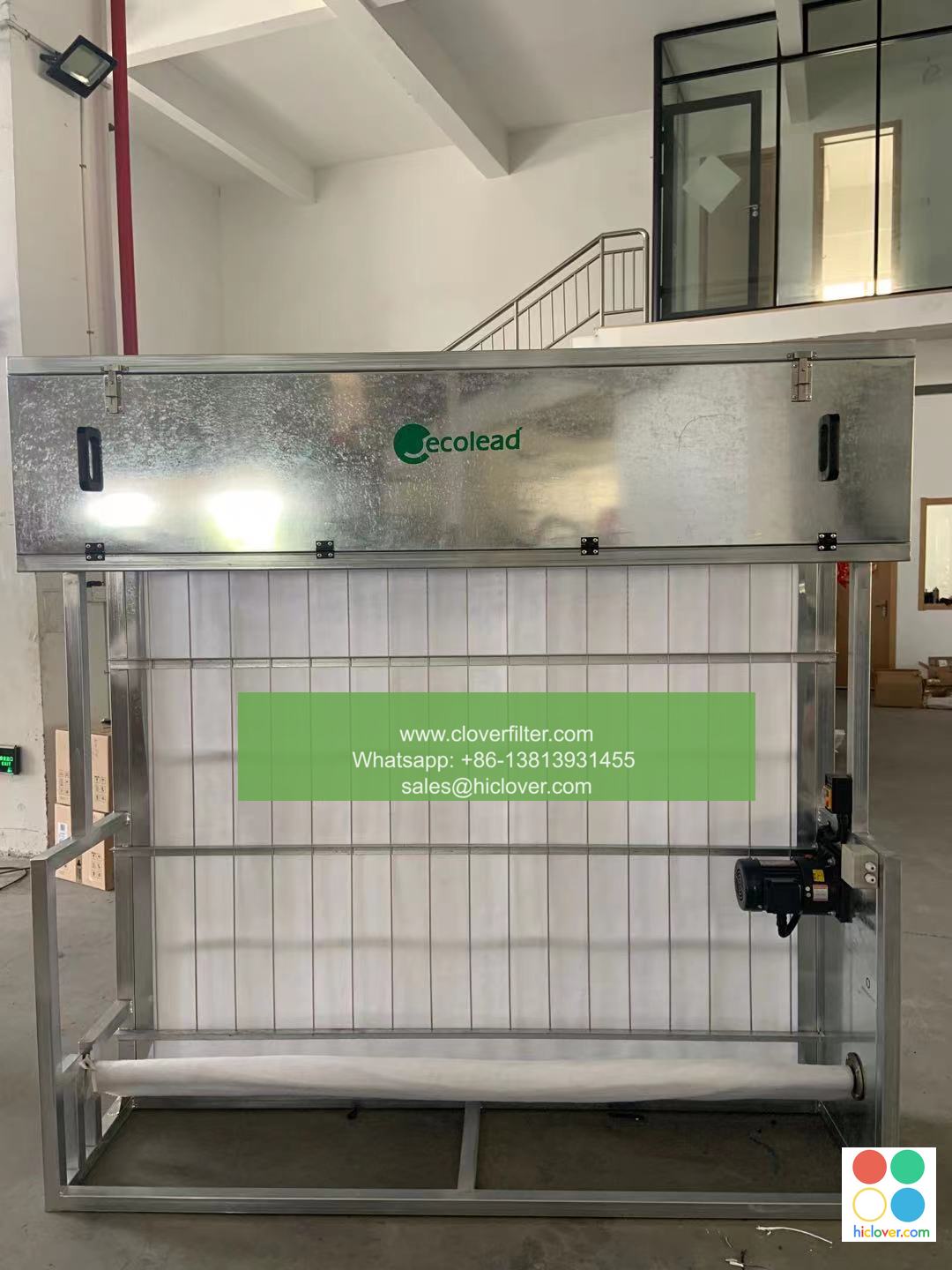
In the age of digital information, libraries remain crucial hubs for research and community engagement. Ensuring a conducive environment in these spaces goes beyond just maintaining collections; it includes enhancing the air quality for all patrons and staff. One of the most effective solutions for improving indoor air quality in libraries is the use of self-advancing roll filters. This article explores their importance and implications for library settings.
Why Air Quality Matters in Libraries
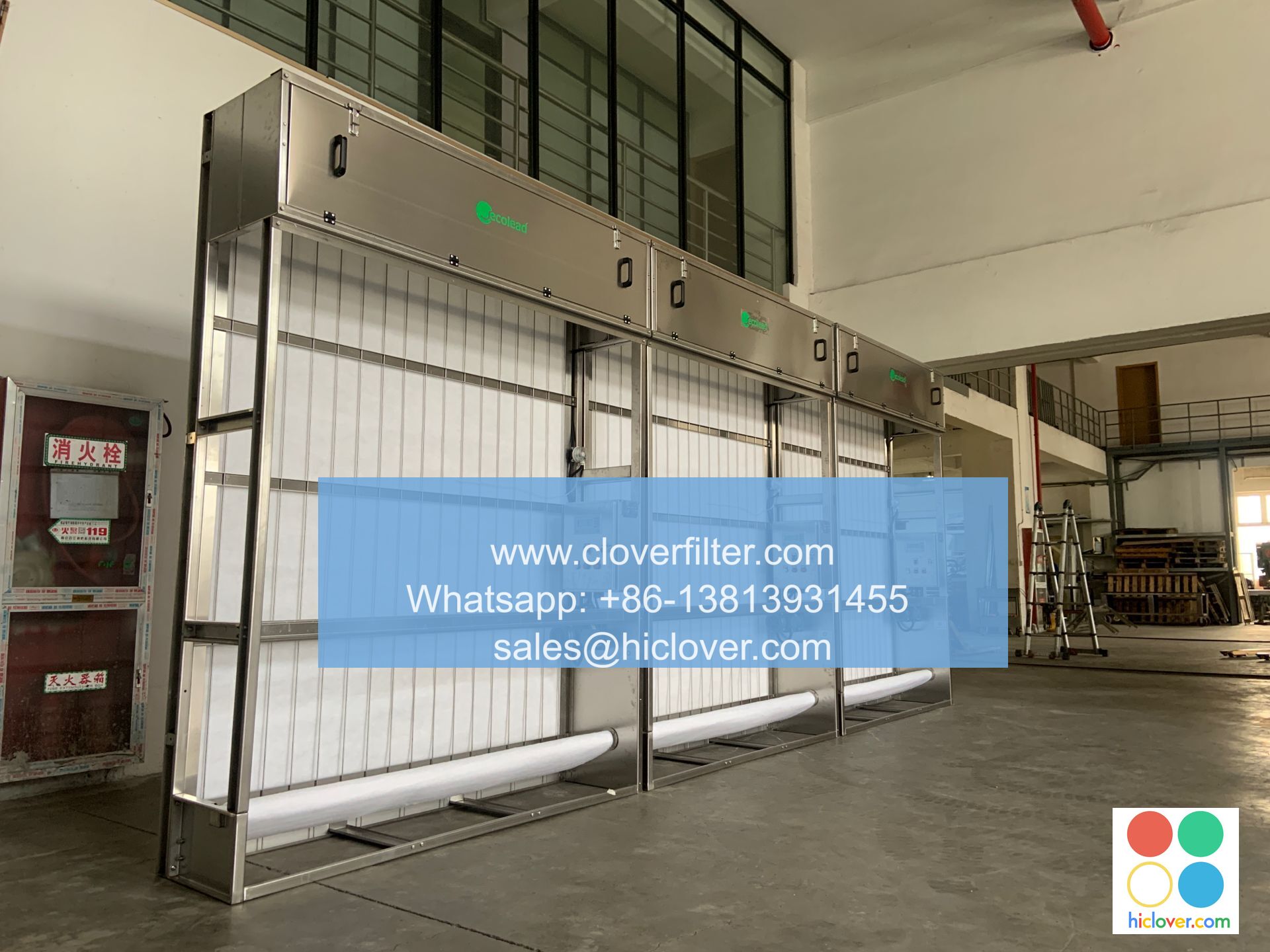
Good air quality is essential in libraries for several reasons. Poor indoor air quality can lead to increased health issues for visitors and staff, including respiratory problems and allergies. Furthermore, libraries often house valuable archives and collections susceptible to damage from dust, pollutants, and moisture in the air.
What are Self-Advancing Roll Filters?
Self-advancing roll filters are advanced air filtration systems designed to continuously capture and reduce airborne contaminants. Unlike traditional air filters, these innovative systems utilize a roll of filter material that automatically advances as it becomes saturated, thus ensuring consistent air quality without the need for frequent manual replacements.
Key Features of Self-Advancing Roll Filters
- Ease of Maintenance: The automated system requires minimal intervention, reducing downtime and maintenance costs.
- Improved Filtration Efficiency: These filters can capture a broader range of particles, including dust, pollen, and mold spores.
- Extended Lifespan: The roll mechanism allows for longer use of the filter material, leading to lower waste and cost-effectiveness.
- Environmentally Friendly: Using fewer filters leads to less waste, aligning with more sustainable practices in libraries.
Application Areas in Libraries
Self-advancing roll filters can significantly impact various areas within library environments:
Reading Areas
Maintaining optimal air quality in reading areas can enhance concentration and comfort for patrons enjoying their books or studying.
Archive and Special Collections
Special collections often require more stringent environmental controls. Self-advancing roll filters can help preserve these materials by protecting them from atmospheric pollutants.
Meeting and Study Rooms
Group study rooms and meeting spaces can benefit from improved ventilation and air quality, helping to keep participants engaged and alert during discussions or presentations.
Event Spaces
For libraries that host events, proper air filtration ensures that attendees enjoy a healthy environment, encouraging more community interactions and participation.
Conclusion
As the role of libraries evolves, it is essential to prioritize the health and well-being of visitors and staff through effective air quality solutions. Self-advancing roll filters offer innovative and efficient means of achieving this objective, ensuring libraries remain safe, welcoming environments for all. By adopting such advanced filtration systems, libraries can create spaces that foster learning, connection, and community engagement while preserving their valuable resources.
Final Thoughts
The implementation of self-advancing roll filters in libraries represents a vital step toward enhancing indoor air quality. As libraries continue to serve as pivotal centers of knowledge and community interaction, it is crucial to invest in technologies that support a healthy and productive environment for everyone.
It seems like you might be looking for a prompt or some inspiration. Could you clarify what type of prompt you need? It could be for writing, a conversation, or a creative project. Let me know how I can help!
