The Role of Air Filters in Reducing Particulate Matter: PM2.5 and Beyond
Air quality is a critical aspect of public health, and one of the most significant pollutants affecting air quality is particulate matter (PM). Among these, PM2.5 is particularly concerning due to its ability to penetrate deep into the lungs and even enter the bloodstream. This article explores the essential role of air filters in mitigating PM2.5 and other particulate matter, and highlights their application across various domains.
Understanding Particulate Matter: PM2.5 and Beyond

Particulate matter (PM) is categorized by size, with PM2.5 referring to particles that are 2.5 micrometers or smaller in diameter. These tiny particles can originate from vehicle emissions, industrial processes, construction activities, and natural sources like wildfires. Due to their small size, PM2.5 particles can remain suspended in the air for extended periods of time, making them especially hazardous to health.
How Air Filters Work
Air filters are designed to capture particulate matter and other contaminants from the air. There are various types of filters, including:
- HEPA Filters: High-Efficiency Particulate Air (HEPA) filters are capable of trapping 99.97% of particles as small as 0.3 microns.
- Activated Carbon Filters: These filters are effective at removing gases and odors, complementing particulate matter filtration.
- Electrostatic Filters: Using static electricity, they capture particles that might otherwise pass through conventional filters.
Application Areas of Air Filters
The deployment of air filters spans various domains, each with distinct benefits in reducing PM2.5 and improving air quality:
1. Residential Air Purification
In residential settings, air filters can significantly enhance indoor air quality. Homeowners can invest in standalone air purifiers or HVAC systems equipped with high-quality filters to effectively reduce allergens, dust, and PM2.5 levels.
2. Industrial Applications
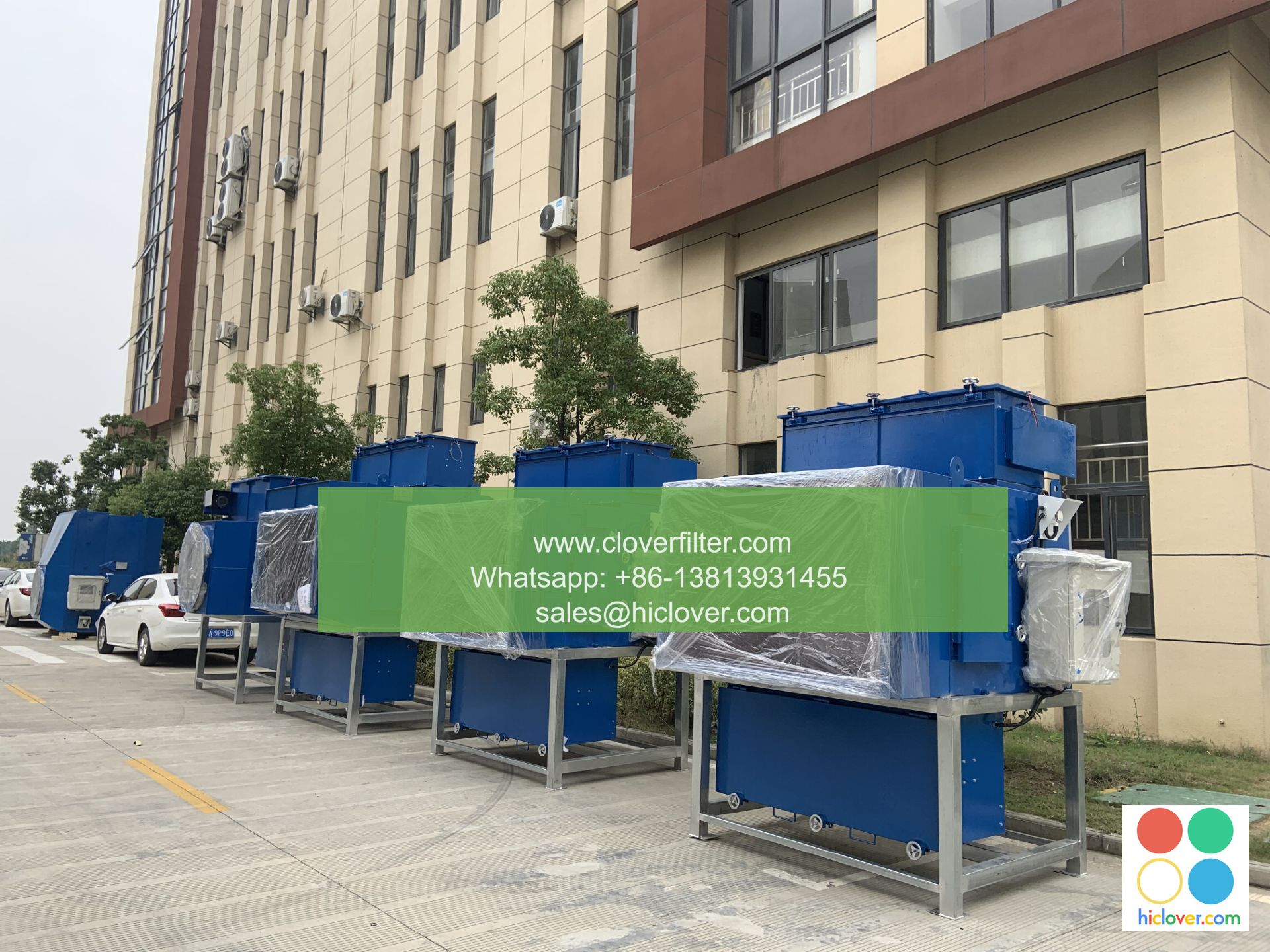
Industries that generate significant amounts of particulate matter—such as manufacturing, construction, and chemical processing—often implement air filtration systems to comply with health regulations and ensure worker safety. Advanced filtration technologies help in capturing harmful particulates before they can escape into the ambient air.
3. Transportation Sector
With growing concerns about air pollution, the transportation sector is increasingly adopting air filtration systems in vehicles and public transportation. Enhanced cabin air filters help reduce exposure to particulate matter from external sources, benefiting both drivers and passengers.
4. Healthcare Facilities
In hospitals and clinics, maintaining high air quality is paramount. Air filters help reduce the risk of airborne infections, allergens, and other irritants. HEPA-filtered ventilation systems are commonly used in surgical suites and critical care units to safeguard patient health.
5. Commercial Buildings
Businesses are prioritizing air quality to promote employee health and productivity. Incorporating advanced air filtration systems in commercial buildings can lead to lower absenteeism due to respiratory illnesses and create a more comfortable environment for workers.
The Importance of Regular Maintenance
While air filters play a crucial role in reducing PM2.5, it’s essential to ensure they are regularly maintained and replaced as needed. Clogged or dirty filters can hinder airflow and reduce filtration efficiency, exacerbating air quality issues. Regular maintenance not only prolongs the lifespan of air filtration systems but also maximizes their effectiveness in capturing harmful particulates.
Conclusion
The role of air filters in mitigating particulate matter, particularly PM2.5, cannot be understated. With applications in residential, industrial, transportation, healthcare, and commercial settings, effective air filtration is vital for improving air quality and safeguarding public health. By investing in high-quality air filters and adhering to maintenance schedules, we can collectively work towards a cleaner and safer environment.
It seems like your message got cut off. Could you please provide more details or specify what kind of prompt you’re looking for? I’m here to help!
