Essential Standards for Air Filter Quality Assessment
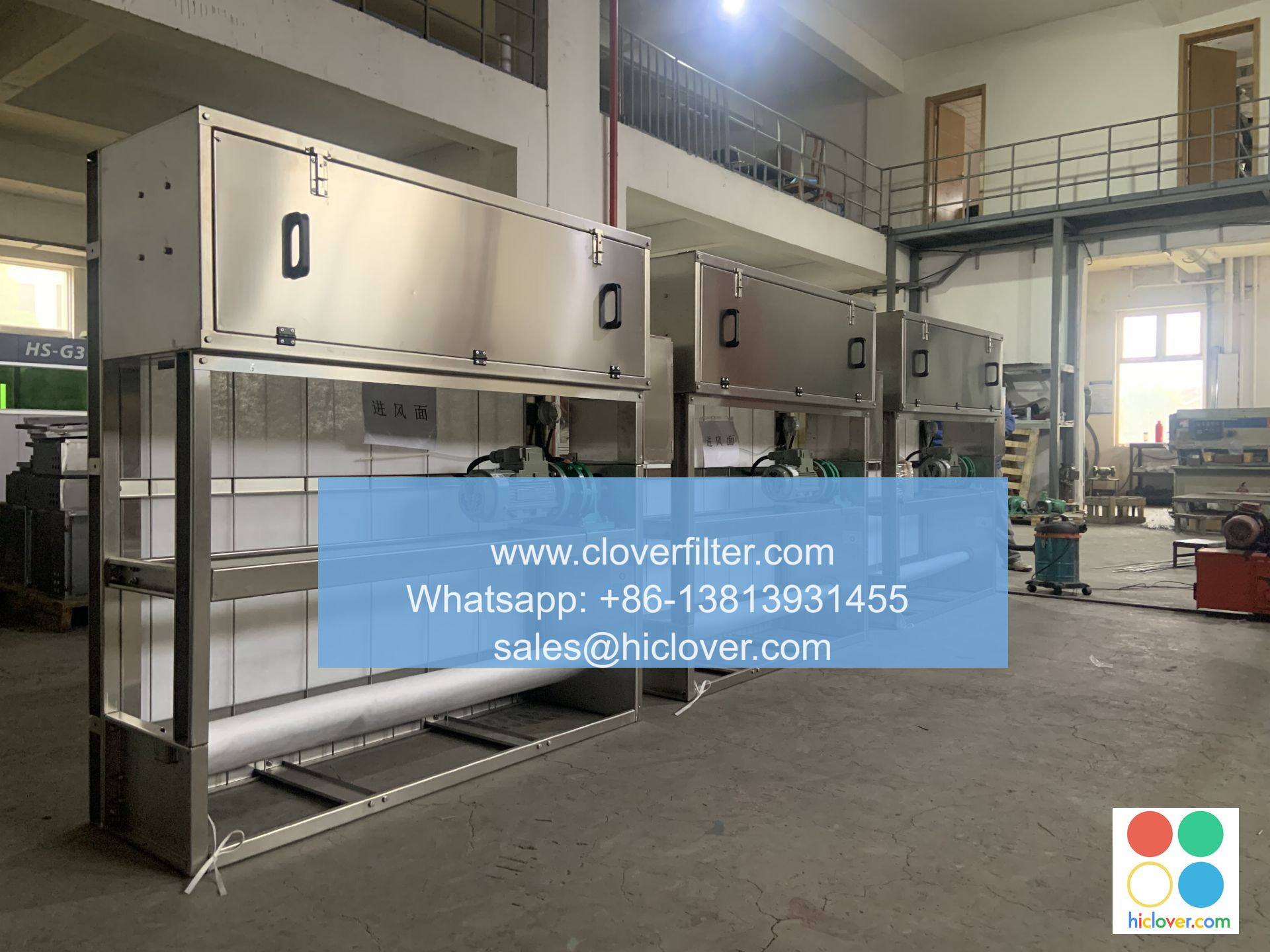
- Key factors influencing air filter quality control
- Understanding Automatic Roll Air Filters
- Practical selection guide for HVAC systems
- Comparison table of air filter types
- Common mistakes and how to avoid them
- Real-world scenarios using air filters
- FAQs about air filter quality control
- Air filter quality control is crucial for effective HVAC performance.
- Automatic Roll Air Filters utilize advanced roll media for consistent airflow.
- Selecting the right filter involves understanding airflow needs and installation points.
- Regular maintenance can reduce costs and improve efficiency.
- Familiarity with industry standards, such as MERV and ISO 16890, is essential.
- Airflow Range: Determine the airflow required by your HVAC system to ensure the selected filter can handle the requirements.
- Face Velocity: The speed of the air passing through the filter affects efficiency. Calculate this to ensure you remain within optimal limits (usually between 300 to 500 FPM).
- Media Width/Length: Choose dimensions that fit your existing frame and improve filtration without causing excessive pressure drops.
- Frame Size: Ensure that the filter frame fits seamlessly within your system for proper installation and function.
- Control Options: Select filters that offer flexible control modes, such as differential pressure sensors or manual override features.
- Power Supply: Consider the AC or DC power requirements to ensure compatibility with existing systems.
- Installation Location: Ensure the filter is appropriately located, such as at the fresh air intake or return, to maximize its efficiency and effectiveness.
- Ignoring Airflow Requirements: Always know the specific airflow needs to avoid filter oversizing or undersizing.
- Neglecting Maintenance Schedules: Adhere to recommended maintenance to prevent long-term efficiency losses.
- Choosing the Wrong Filter Type: Assess facility needs to select the most appropriate filter type based on application.
- Overlooking Pressure Drop: Regularly measure differential pressure to understand filter performance and longevity.
- Not Considering Installation Location: Place filters in optimal locations for maximum efficiency and effectiveness.
- Disregarding Control Features: Select filters that offer control over performance variables to enhance operational flexibility.
- Skipping Manufacturer Compliance Checks: Always verify if filters meet established industry standards requested.
-
Data Center: In a data center, maintaining cool, clean air is crucial; using Automatic Roll Air Filters ensures that machines run efficiently while preventing overheating and dust accumulation.
-
Lithium Battery Factory: Preventing dust and particles from contaminating battery production is vital for safety and quality. Automatic Roll Filters capture minute particles effectively.
-
Paint Shop: To meet strict environmental regulations, a paint shop uses these filters for fresh air intake, thereby improving air quality and enhancing worker safety.
-
Textile/Cement Plant: In a cement manufacturing facility, high-efficiency filtration is essential to capture fine dust. The Use of Automatic Roll Air Filters optimizes airflow while maintaining safety and compliance.

Key Takeaways

Understanding Automatic Roll Air Filters
An Automatic Roll Air Filter is an advanced filtration solution designed to enhance air quality in various industrial applications. It operates through a roll media advancement system that ensures continuous filtration. This system employs a differential pressure trigger to automatically advance the media, providing a consistent surface area for capturing particulate matter. Additionally, these filters can operate in timer mode, optimizing maintenance intervals while reducing disruptions to air handling units (AHUs).
These filters are ideal for installation in diverse environments, from fresh air intakes to return ducts, ensuring that clean air reaches critical systems in data centers, hospitals, and manufacturing plants. Utilizing air filter quality control techniques, facilities can maintain a healthy indoor atmosphere and comply with safety protocols.
Practical Selection Guide for HVAC Systems
When selecting an Automatic Roll Air Filter, consider the following factors to ensure optimal performance:
Comparison Table of Air Filter Types
| Filter Type | Best Use Case | Maintenance | Pressure Drop Behavior | Operating Cost | Typical Risk/Downside |
|---|---|---|---|---|---|
| Automatic Roll Filter | Large-scale industrial setups | Low | Moderate to Low | Low | Initial investment costs |
| Bag Filter | General HVAC applications | Moderate | Variable | Moderate | Requires more space |
| Panel Filter | Small to medium environments | Low | Low | Low | Limited dust holding capacity |
| V-bank | High-efficiency needs | High | Moderate | High | Higher replacement frequency |
Common Mistakes & How to Avoid Them
Real-World Scenarios Using Air Filters
Frequently Asked Questions
What is air filter quality control?
Air filter quality control is a systematic process to ensure that filters meet specified performance standards, including particulate removal efficiency.
How often should I replace my Automatic Roll Air Filter?
Replacement frequency can vary based on factors such as usage, air quality, and manufacturer recommendations. Regular monitoring of pressure drop can guide timely replacements.
Can I install an Automatic Roll Air Filter myself?
While many facilities opt for professional installation, DIY is possible if you have experience with HVAC systems and follow manufacturer guidelines carefully.
What certification should I look for in air filters?
Look for filters compliant with general industry standards, such as ISO 16890 or MERV, to ensure they meet your air quality requirements.
Why is media width important in a filter?
Media width affects the surface area available for particle capture. Wider media can increase efficiency while reducing the frequency of maintenance.
Do Automatic Roll Air Filters save on energy costs?
Yes, by maintaining lower pressure drops and ensuring optimal airflow, these filters can help reduce energy consumption over time.
Can CloverFilter provide support for my air filtration needs?
Yes, CloverFilter offers a wide range of solutions and customer support to help you assess your air filtration requirements.
How do I contact CloverFilter for more information?
Visit CloverFilter’s Contact Page for assistance and inquiries regarding your air filtration needs.
Meta Description: Discover essential standards for air filter quality assessment. Learn about Automatic Roll Air Filters, selection criteria, and common mistakes to improve air quality control.
For the best air filtration solutions, consider CloverFilter’s Automatic Roll Air Filter. For tailored assistance, contact CloverFilter at CloverFilter Contact.
Of course! What kind of prompt are you looking for? It could be related to writing, a creative project, a question to explore, or something else entirely. Let me know how I can assist you!
