How to Choose the Right Air Filter Extension for Your Specific Needs
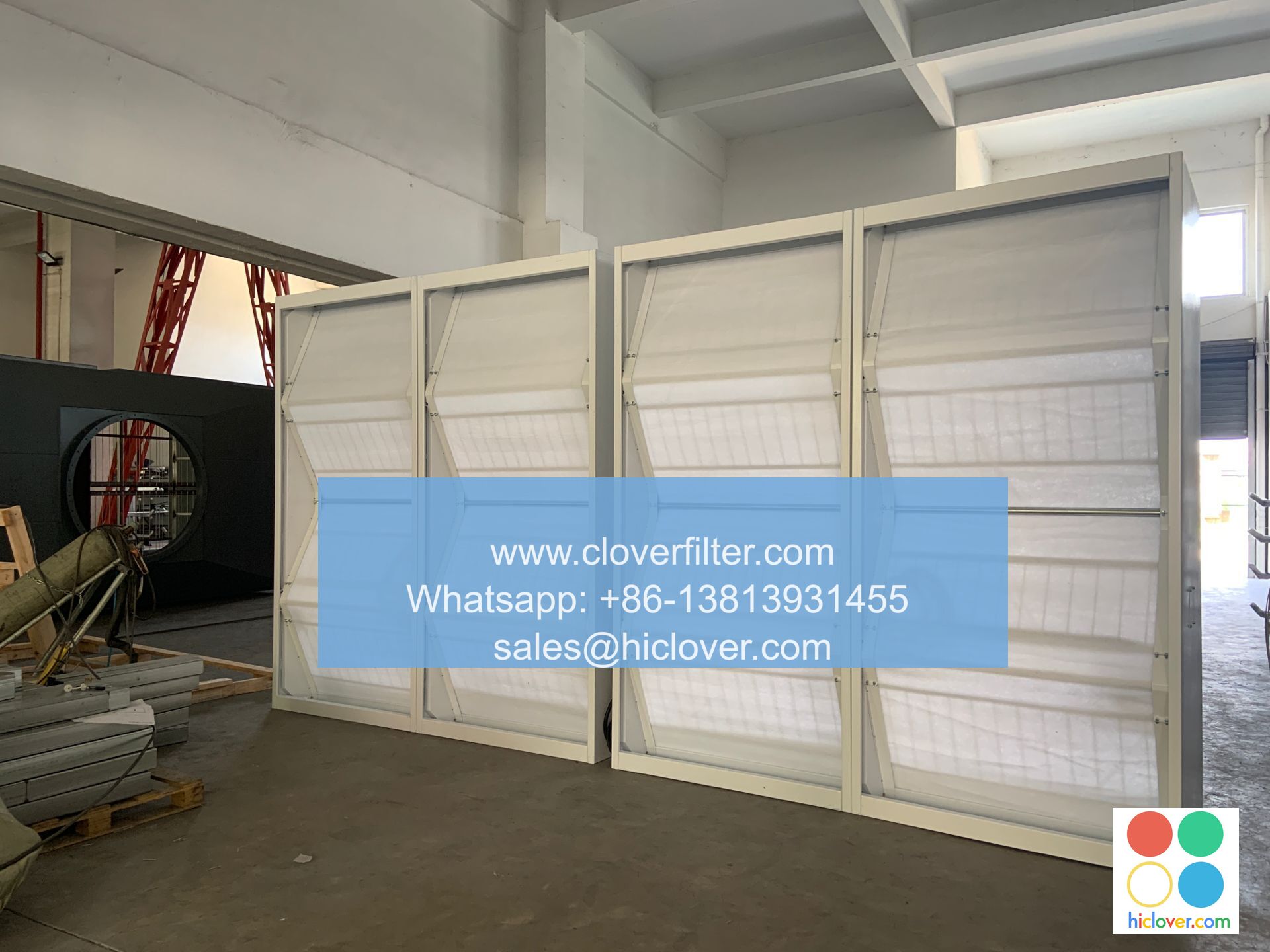
When it comes to maintaining indoor air quality, selecting the appropriate air filter extension is crucial. With a myriad of options available, understanding your specific requirements can help ensure optimal performance, efficiency, and air quality.
Understanding Air Filter Extensions

Air filter extensions are designed to enhance the filtration process in HVAC systems, helping to capture particles, allergens, and other airborne contaminants. These enhancements can significantly influence how effectively your system operates, making it essential to choose wisely.
Key Considerations for Choosing an Air Filter Extension
1. Know Your Application Area
Different environments present unique challenges for air filtration. Here are a few application areas to consider:
- Residential Homes: Focus on filters that reduce allergens and dust.
- Commercial Spaces: Opt for filters that can handle higher volumes of air and contaminants.
- Industrial Settings: Consider heavy-duty filters capable of handling large particles and volatile organic compounds (VOCs).
- Allergens: Choose HEPA filters for maximum allergen removal.
- Pet Dander: Opt for filters with activated carbon to combat odors.
- Smoke and Odors: Activated charcoal filters can help eliminate unwanted smells.
- MERV 1-4: Basic filtration for residential air handling.
- MERV 5-8: Good for more moderate filtration needs in homes and commercial spaces.
- MERV 9-12: Best suited for allergy sufferers and residential use.
- MERV 13-16: Ideal for hospitals and industrial settings with stringent air quality requirements.

2. Determine Your Filtration Needs
Evaluate what types of particles or contaminants you need to filter out:
3. Assess MERV Ratings
The Minimum Efficiency Reporting Value (MERV) rating system indicates the effectiveness of an air filter. A higher MERV rating means better filtration. For example:
Practical Tips for Choosing the Right Extension
4. Check Compatibility with Existing Systems
Before making a purchase, ensure that the air filter extension is compatible with your current HVAC or air filtration system. Measure dimensions and check for any specific requirements outlined in your system’s user manual.
5. Consider Maintenance and Replacement Frequency
Some filters require more frequent replacements or maintenance than others. Consider your willingness and ability to perform upkeep when selecting an air filter extension.
6. Evaluate Cost vs. Performance
While it’s tempting to opt for the cheapest filter option, remember that performance should be a priority. Investing in a quality air filter extension may result in long-term savings by improving energy efficiency and reducing health-related costs.
Conclusion
Choosing the right air filter extension for your specific needs involves a thoughtful assessment of your environment, filtration requirements, and system compatibility. By focusing on application areas and understanding the key factors that influence performance, you can enhance your indoor air quality and contribute to a healthier living or working space.
Sure! How can I assist you today? If you have a specific topic in mind, feel free to share it, and I’ll do my best to help.
