Exploring the Role of Roll Air Filters in Flight Simulators
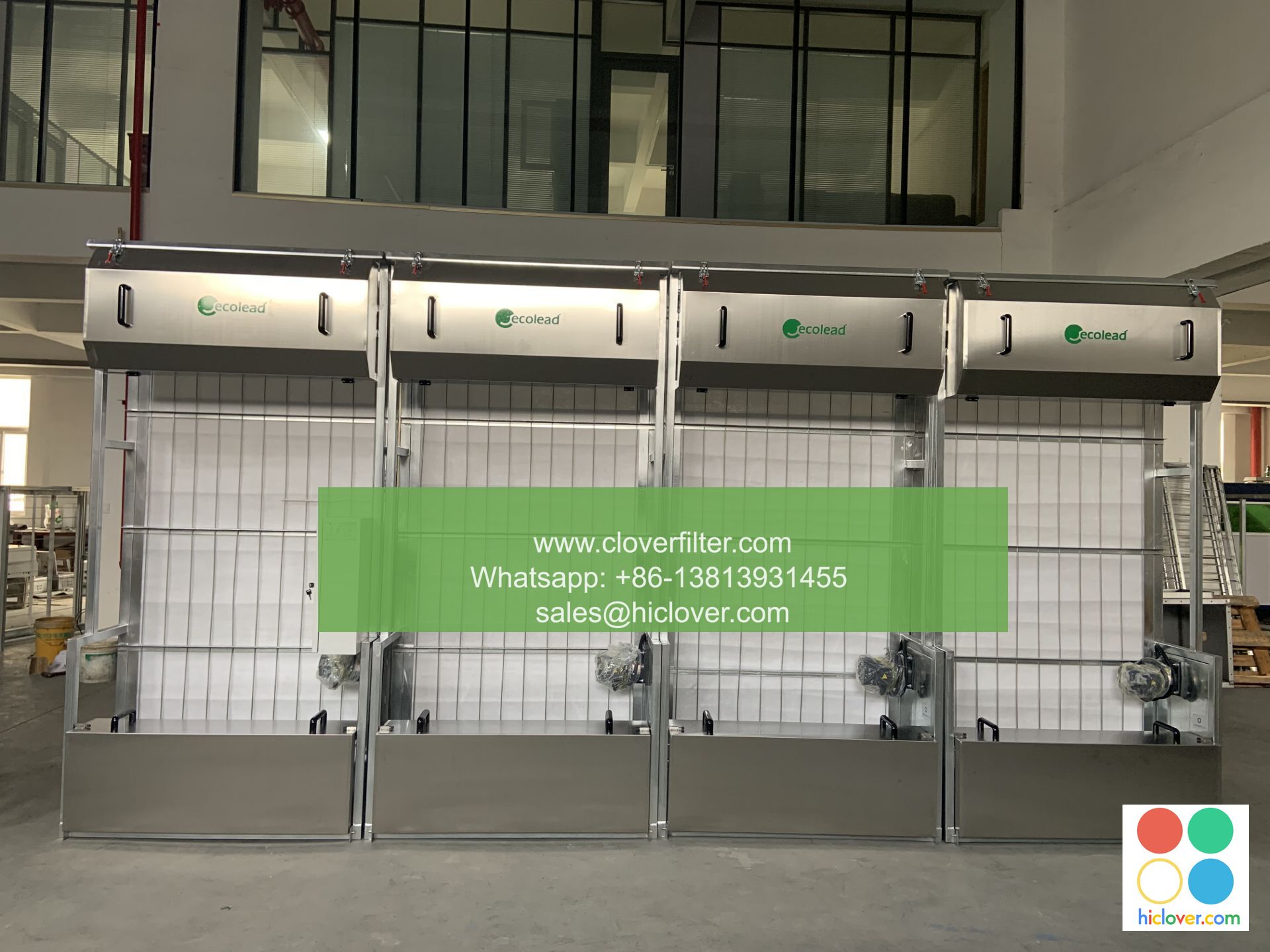
Flight simulators have revolutionized aviation training, offering a safe and highly controlled environment for pilots to hone their skills. Among the numerous components that contribute to the realism and functionality of these simulators, roll air filters play a crucial role. This article delves into their applications, significance, and the technology behind roll air filters in flight simulation.
What are Roll Air Filters?

Roll air filters are specialized air purification systems that manage the quality of air in flight simulators. These filters are designed to remove particulates, dust, and other airborne contaminants that could compromise the performance and lifespan of simulator equipment. By ensuring optimal air quality, roll air filters contribute to a more realistic simulation experience for pilots.
Importance of Air Quality in Flight Simulators
The importance of air quality in flight simulators cannot be overstated. High-quality air affects not only the electronic systems and displays but also the comfort of the trainees. Maintaining a clean air environment can lead to:
- Enhanced equipment performance and longevity
- Improved pilot focus and reduced distraction
- Accurate environmental simulations, including air quality factors
- Capture ultra-fine particles and allergens
- Eliminate odors and harmful gases
- Reduce microbial contamination
- Smart filters equipped with IoT capabilities for real-time monitoring and data analysis
- Enhanced filtration materials for greater efficiency
- Integration with environmental control systems for dynamic air quality management

Various Application Areas for Roll Air Filters
Roll air filters have several application areas within flight simulators, each underlining their significance in multiple domains:
1. Military Training Simulators
In military flight training, roll air filters are vital for maintaining equipment under rigorous training scenarios. They ensure that simulators facing extreme conditions—such as combat or adverse weather—remain operational and effective.
2. Commercial Pilot Training
Airlines incorporate roll air filters in their simulators to offer pilots realistic experiences. These filters contribute to the integrity of sensory data received from simulator environments, enabling pilots to train effectively under realistic conditions.
3. Research and Development
In research settings, roll air filters facilitate controlled experiments by ensuring consistent air quality. This is essential for validating the effects of various atmospheric conditions on flight dynamics and safety protocols.
4. Educational Institutions
Flight schools utilize roll air filters to provide a conducive training environment for budding pilots. Clean air supports not only health and comfort but also reduces maintenance costs associated with simulator systems.
Technology Behind Roll Air Filters
The technology driving roll air filters incorporates advanced filtration techniques such as HEPA (High-Efficiency Particulate Air) filters, activated carbon layers, and UV light sanitization. These technologies work synergistically to:
Future Trends in Roll Air Filters for Flight Simulators
As flight simulation technology continues to evolve, so too will the role of roll air filters. Future innovations may include:
Conclusion
Roll air filters significantly contribute to the operational efficiency and realism of flight simulators across various application areas. As training methodologies advance and technology improves, the importance of maintaining high-air quality standards becomes increasingly clear. With the ongoing development of innovative solutions in air filtration, the future of flight simulation looks promising.
Sure! What kind of prompt are you looking for? It could be for writing, art, brainstorming ideas, or something else. Just let me know!
