The Importance of Automatic Roll Air Filters in Preventing Airborne Contamination in Meat Processing
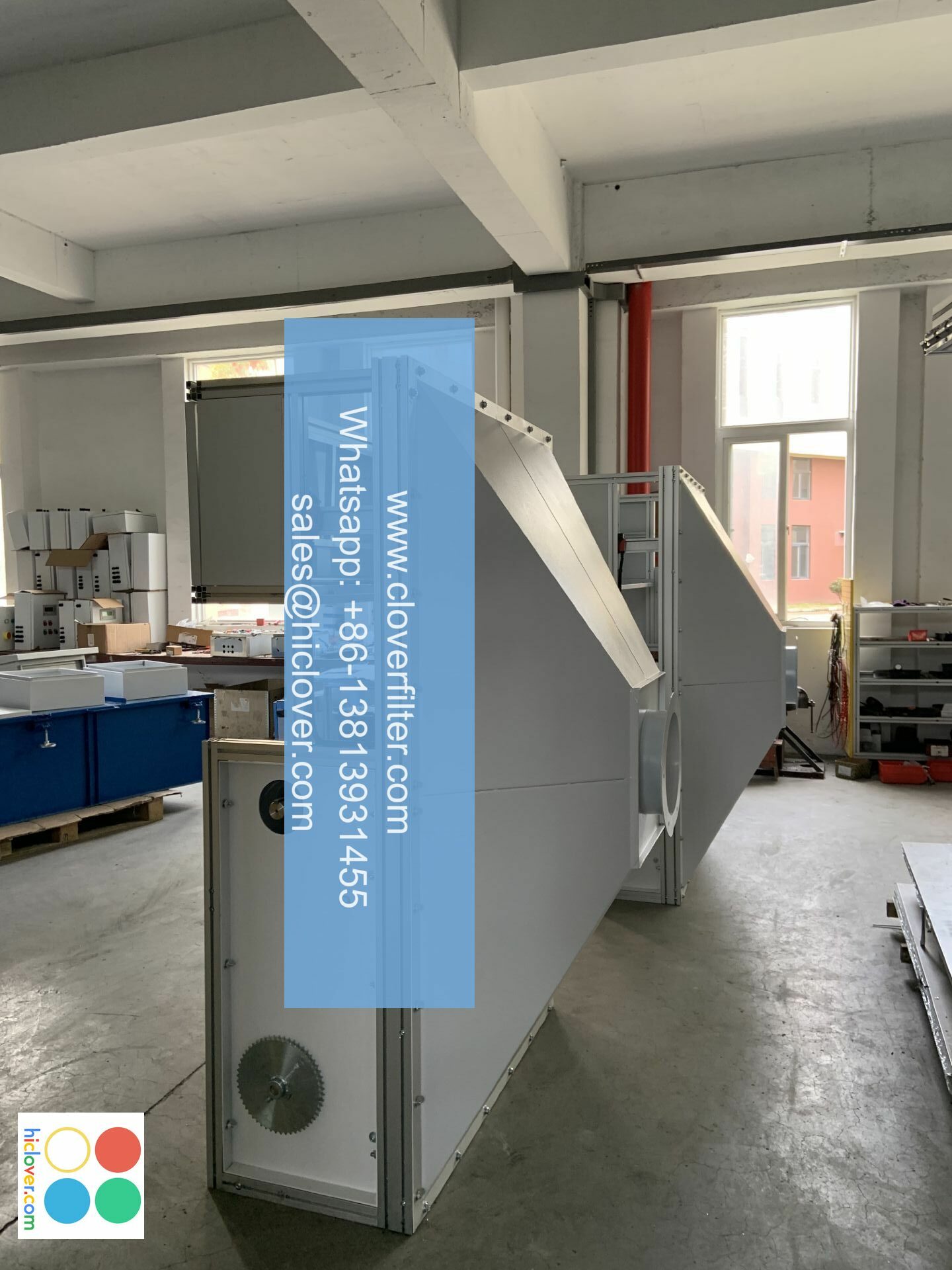
In the meat processing industry, maintaining strict hygiene standards is crucial to ensure the safety and quality of products. Airborne contamination poses a significant threat to meat safety, making effective air filtration solutions essential. One of the most efficient methods of controlling airborne particles is through the use of automatic roll air filters.
Understanding Automatic Roll Air Filters
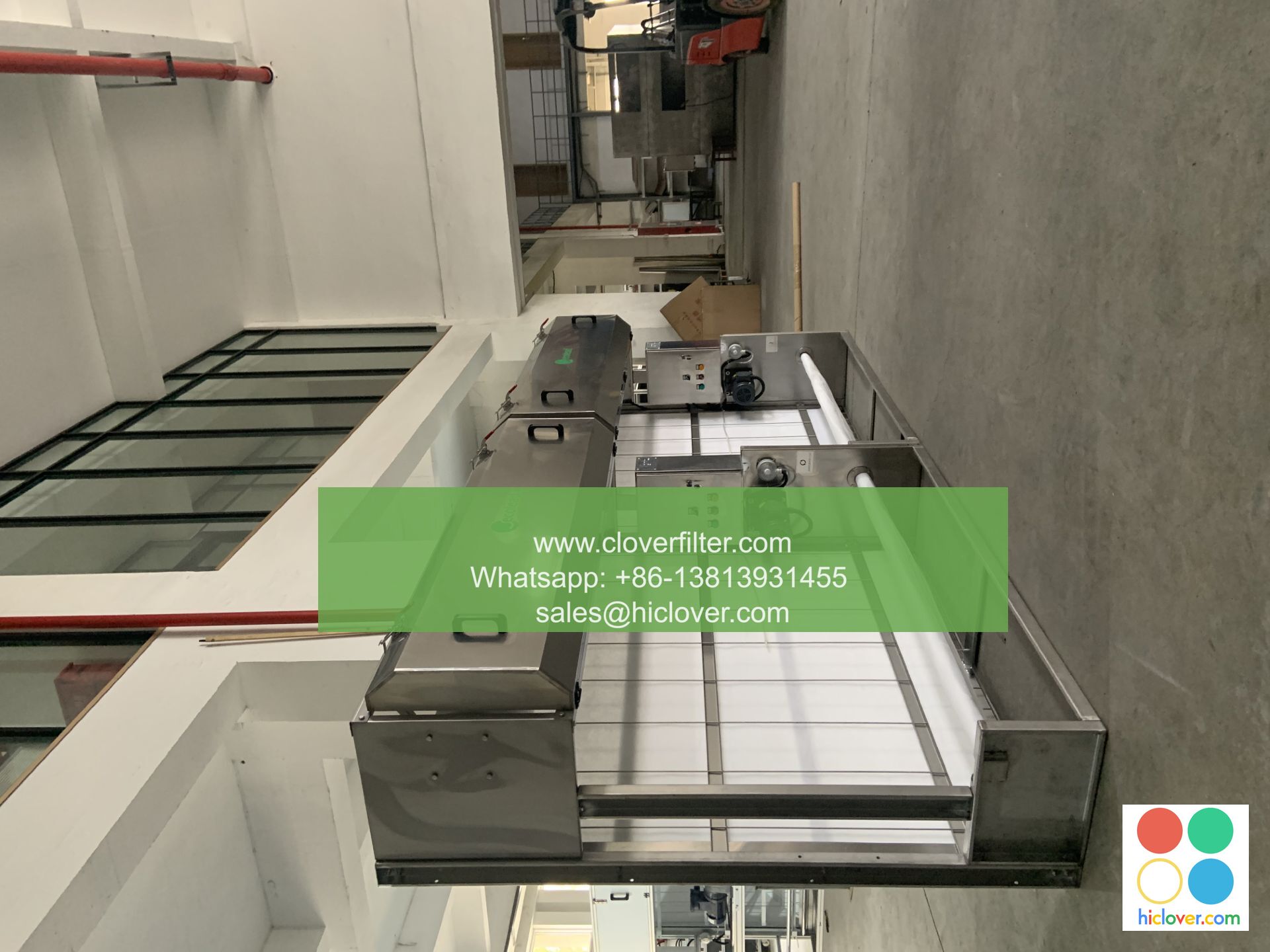
Automatic roll air filters are advanced filtration systems designed to continuously clean the air in processing environments. These filters operate by capturing dust, bacteria, and other contaminants that could compromise product integrity. With automatic roll technology, the filter media is replaced regularly without the need for manual intervention, ensuring optimal performance and minimizing downtime.
The Role of Air Filters in Meat Processing
In meat processing facilities, air quality directly impacts food safety. Contaminants in the air can lead to product spoilage, cross-contamination, and foodborne illnesses. The presence of bacteria, molds, and allergens not only threatens consumer health but can also result in costly recalls and damage to brand reputation. Here’s where automatic roll air filters make a difference:
1. Continuous Filtration
Automatic roll air filters are designed to provide continuous filtration, ensuring that airborne contaminants are constantly removed from the processing area. This is particularly important in high-traffic areas where dust and bacterial levels tend to be higher.
2. Reduced Maintenance
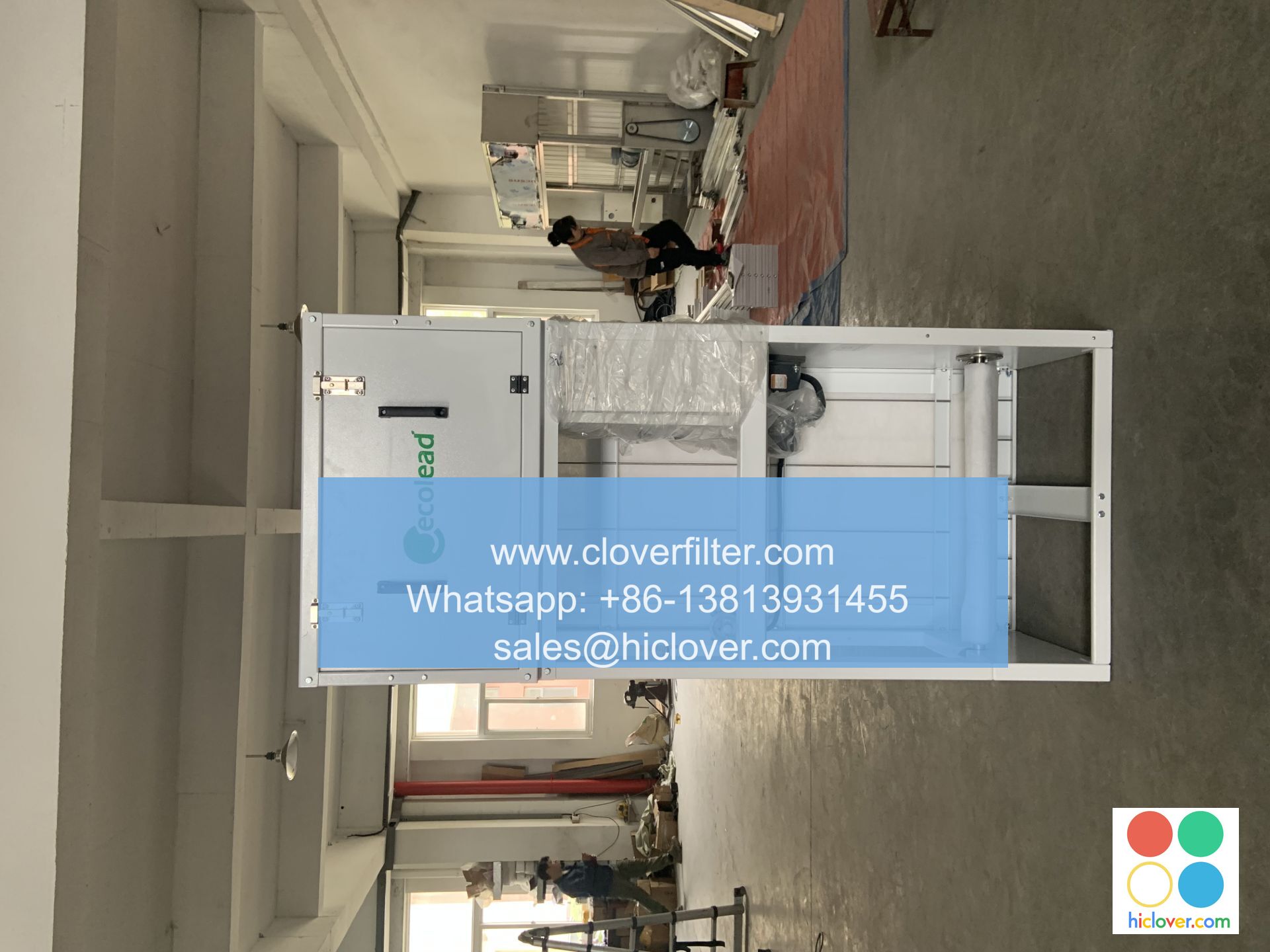
The self-cleaning feature of automatic roll air filters significantly reduces maintenance efforts. By automating the filter replacement process, these systems help facilities comply with health regulations without imposing additional labor costs.
3. Cost Efficiency
Although the initial investment in automatic roll air filters may be higher than standard filters, the long-term savings on maintenance and reduced risk of contamination outweigh the costs. Enhanced air quality also contributes to better meat preservation and extended shelf life, translating to economic benefits.
Application Areas of Automatic Roll Air Filters
While the meat processing sector is a significant beneficiary of automatic roll air filters, these systems can be effectively implemented in various other industries, including:
1. Dairy Processing
Similar to meat, dairy products require stringent air quality control to prevent spoilage. Automatic roll air filters help maintain a clean environment for milk and cheese production.
2. Poultry Processing
Poultry facilities can also greatly benefit from these filtration systems, as they help reduce airborne pathogens that can cause foodborne illnesses.
3. Seafood Processing
For seafood processing, where freshness is key, maintaining optimal air quality is essential. Automatic roll air filters can ensure minimal contamination in environments that process highly perishable products.
Conclusion
In summary, automatic roll air filters play a crucial role in preventing airborne contamination in meat processing and other food production environments. By ensuring continuous filtration, reducing maintenance demands, and promoting overall air quality, these systems contribute significantly to food safety and quality. Investing in automatic roll air filters is not just a compliance measure; it’s an essential step towards safeguarding consumer health and enhancing operational efficiency.
