How to Assemble an Air Filter for a Specific Space
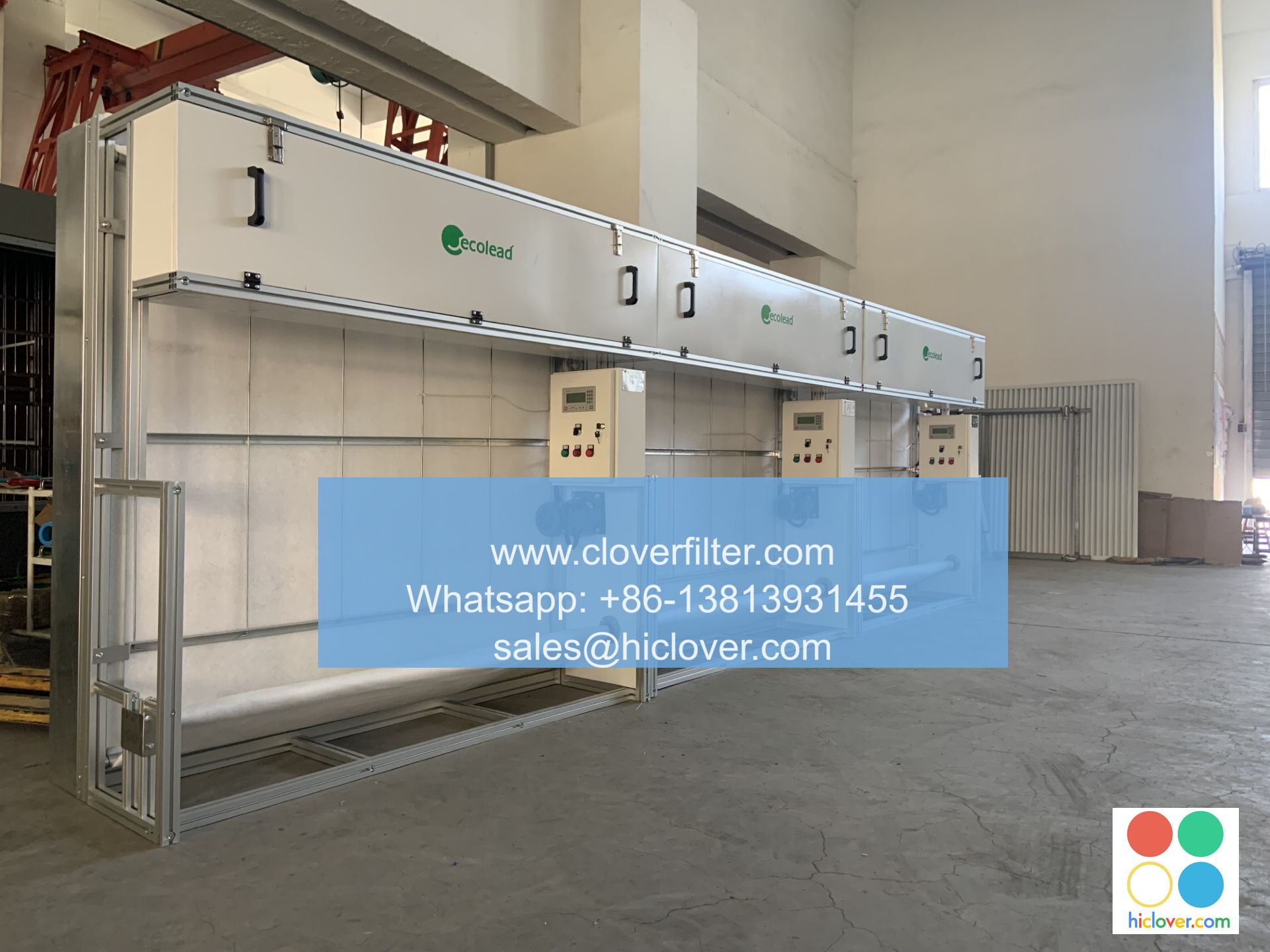
Assembling an air filter for a specific space can be a daunting task, but with the right guidance, it can be a straightforward process. In this article, we will walk you through the steps to assemble an air filter for a specific space, highlighting various application areas and key considerations for indoor air quality, air purification, and ventilation systems.
Choosing the Right Air Filter for Your Space
Before assembling an air filter, it is essential to choose the right one for your specific space. Consider the square footage of the area, the type of contaminants you want to remove, and the air flow rate required. Different types of air filters are available, including HEPA filters, activated carbon filters, and UV air purifiers. Each type has its own unique characteristics and is suited for specific application areas, such as residential, commercial, or industrial spaces.
Assembling the Air Filter: A Step-by-Step Guide
Once you have chosen the right air filter for your space, it’s time to assemble it. Here’s a step-by-step guide:
1. Unpack and prepare the components: Unpack the air filter components, including the filter media, frame, and gaskets. Inspect the components for any damage or defects.
2. Assemble the filter frame: Assemble the filter frame according to the manufacturer’s instructions. Make sure it is secure and stable.
3. Install the filter media: Install the filter media into the frame, making sure it is properly seated and secured.
4. Apply the gaskets: Apply the gaskets to the filter frame, ensuring a tight seal to prevent air leaks.
5. Test the air filter: Test the air filter to ensure it is working correctly and providing the desired air quality and air flow rate.
Application Areas for Air Filters
Air filters have a wide range of application areas, including:
* Residential spaces: Air filters can be used in residential spaces to improve indoor air quality and reduce allergens and odors.
* Commercial spaces: Air filters can be used in commercial spaces, such as offices and restaurants, to improve air quality and reduce contaminants.
* Industrial spaces: Air filters can be used in industrial spaces, such as factories and warehouses, to remove hazardous particles and gases.
* Healthcare facilities: Air filters can be used in healthcare facilities to reduce infections and improve patient outcomes.

Conclusion
Assembling an air filter for a specific space requires careful consideration of the application area, air quality requirements, and ventilation system. By following the steps outlined in this article and choosing the right air filter for your space, you can improve indoor air quality, reduce contaminants, and create a healthier and more comfortable environment. Remember to always follow the manufacturer’s instructions and consider factors such as maintenance and replacement costs when selecting an air filter for your specific space. It seems like you haven’t asked a question or provided a prompt for me to respond to. Please go ahead and ask your question, and I’ll do my best to provide a helpful and direct answer.
