UC Berkeley’s Approach to Cleanroom Air Quality: Automatic Roll Air Filters
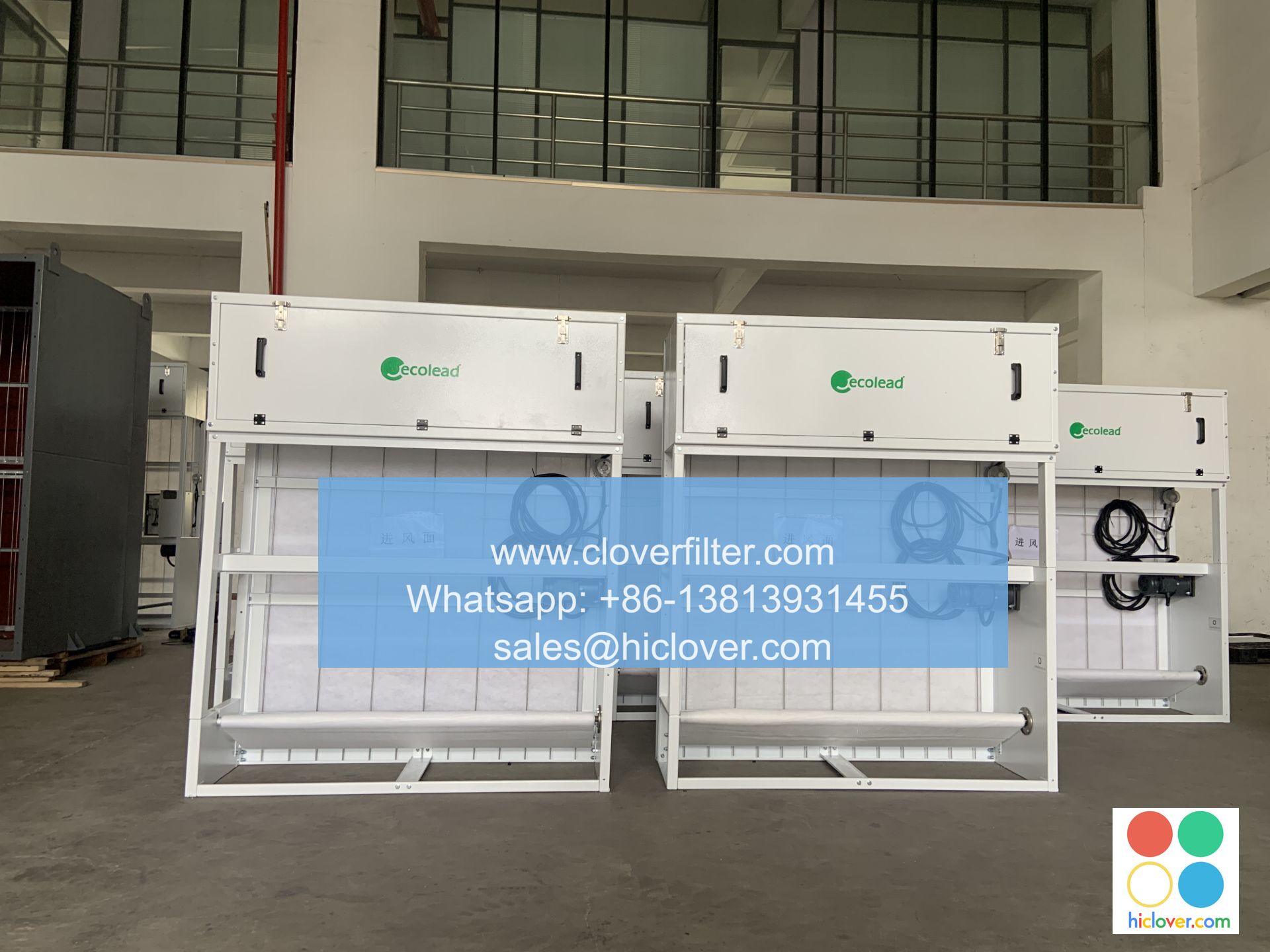
The University of California, Berkeley (UC Berkeley) has long been at the forefront of innovation and technological advancements. In the realm of cleanroom air quality, the institution has adopted a cutting-edge approach, leveraging automatic roll air filters to ensure the highest standards of purity and precision in various research and development applications. This article will delve into the details of UC Berkeley’s approach, highlighting the benefits, applications, and the significance of automatic roll air filters in maintaining superior cleanroom air quality.
Introduction to Cleanroom Air Quality
Cleanrooms are controlled environments that require meticulous attention to detail, particularly when it comes to air quality. The presence of airborne particles, gases, and other contaminants can compromise the integrity of research, manufacturing, and development processes. Cleanroom air quality is, therefore, a critical factor in ensuring the success of various applications, including nanotechnology research, pharmaceutical manufacturing, and biotechnology development.
Automatic Roll Air Filters: The Game-Changer
UC Berkeley’s adoption of automatic roll air filters marks a significant shift in the institution’s approach to cleanroom air quality. These filters offer a high-efficiency particulate air (HEPA) filtration system, capable of capturing 99.97% of particles as small as 0.3 microns. The automatic roll design enables seamless and continuous filtration, minimizing downtime and reducing the risk of contamination. This innovative solution has far-reaching implications for various application areas, including:
* Microelectronics manufacturing: Where ultra-clean environments are essential for the production of semiconductors and other microelectronic devices.
* Pharmaceutical research and development: Where cleanroom air quality is critical for the development of new medicines and vaccines.
* Biotechnology and life sciences: Where contamination control is paramount for the study of microorganisms and the development of new therapies.
Benefits of Automatic Roll Air Filters
The implementation of automatic roll air filters at UC Berkeley has yielded numerous benefits, including:
* Improved cleanroom air quality: By capturing a high percentage of airborne particles and contaminants, these filters ensure a safer and more reliable research environment.
* Increased efficiency: The automatic roll design minimizes downtime and reduces the need for manual filter replacement, resulting in higher productivity and lower operational costs.
* Enhanced flexibility: These filters can be easily integrated into existing cleanroom systems, making them an ideal solution for a wide range of applications.

Conclusion
UC Berkeley’s approach to cleanroom air quality, leveraging automatic roll air filters, represents a significant advancement in the field. By providing a highly efficient and reliable filtration system, these filters enable researchers and developers to work in ultra-clean environments, free from the risks associated with airborne contaminants. As the institution continues to push the boundaries of innovation, its commitment to cleanroom air quality will undoubtedly have a lasting impact on various application areas, including nanotechnology research, pharmaceutical manufacturing, and biotechnology development.
