Protecting Biofuel Operations: The Benefits of Dust Filters in Arusha
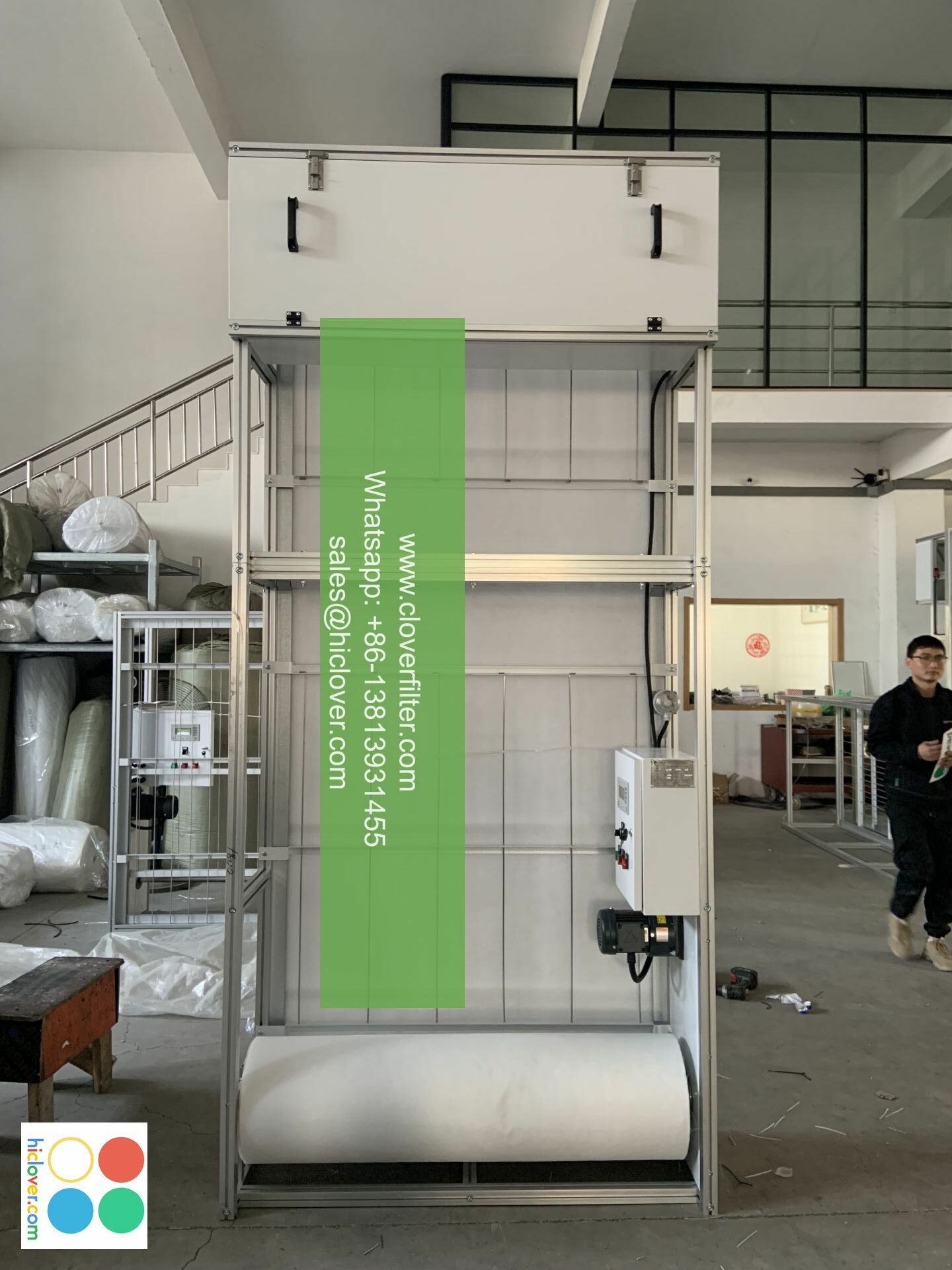
Introduction to Biofuel Operations in Arusha

Arusha, a vibrant city in Tanzania, is becoming a key player in the renewable energy sector, particularly in biofuel production. As biofuel operations expand to meet growing energy demands, it is crucial to ensure that these processes are efficient, safe, and environmentally friendly. One effective solution in achieving this is the implementation of dust filters.
Understanding Dust Filters
Dust filters are essential devices designed to capture particulate matter and prevent it from entering the air. In the context of biofuel operations, dust filters play a vital role in maintaining air quality, ensuring operational efficiency, and complying with environmental regulations.
The Importance of Dust Filters in Biofuel Production

1. Enhancing Air Quality
Dust generated during the biofuel production process can pose serious health risks to workers and the local community. Dust filters effectively minimize airborne particles, leading to improved air quality and a healthier environment.
2. Increasing Operational Efficiency
By capturing dust and preventing it from obstructing machinery, dust filters ensure that biofuel production processes run smoothly. This reduction in equipment wear and tear leads to lower maintenance costs and increased operational efficiency.
3. Regulatory Compliance
In Tanzania, like many countries, adhering to environmental standards is essential. Utilizing dust filters helps biofuel operations comply with government regulations, thereby avoiding potential fines and promoting sustainable practices.
Application Areas for Dust Filters in Biofuel Operations
1. Biomass Processing
In the biomass phase of biofuel production, dust is generated from the handling and processing of raw materials. Implementing dust filters in this area can significantly reduce airborne particulate matter.
2. Fermentation and Distillation
During fermentation and distillation, the risk of dust contamination increases. Dust filters can ensure that production remains uncontaminated, yielding higher-quality biofuel.
3. Storage and Transportation
The storage and transportation of biofuels can lead to dust becoming airborne. By incorporating dust filters at storage facilities and loading/unloading docks, operations can maintain superior air quality and protect surrounding communities.
Challenges and Considerations
While dust filters provide numerous benefits, it is essential to consider the initial costs, ongoing maintenance, and the specific requirements of each biofuel operation. Selecting the right type of dust filter and ensuring its proper installation and upkeep is crucial for maximizing its benefits.
Conclusion
The integration of dust filters into biofuel operations in Arusha is a vital step towards enhancing air quality, increasing operational efficiency, and ensuring regulatory compliance. As the push for renewable energy continues to grow, investing in dust filtration systems will not only protect workers and the environment but also support the long-term sustainability of biofuel initiatives in the region.
Sure! What would you like a prompt for? It could be for writing, art, brainstorming ideas, or something else entirely. Just let me know!
