The Essential Guide to Air Filter Maintenance
Key Takeaways
- Understanding air filter support is crucial for maintaining air quality.
- Automatic Roll Air Filters enhance efficiency with advanced media management.
- Regular maintenance reduces long-term operating costs and energy consumption.
- Proper selection of filters impacts filter performance and system reliability.
- Compliance with industry standards helps in maintaining best practices.
-
Roll Media Advance Logic: The filter utilizes continuous roll media that automatically advances to present a new filter surface as the used media becomes saturated with particulates.
-
Differential Pressure Trigger: When the differential pressure across the filter exceeds a set point, the media advances to maintain efficiency. This process is critical in preventing airflow blockage and ensuring optimal filter performance.
-
Timer Mode: This optional mode allows users to set intervals for media advancement, irrespective of pressure levels, allowing for preemptive maintenance and air quality assurance.
- Airflow Range: Ensure that the filter can handle the expected airflow within the facility.
- Face Velocity: Determine the acceptable velocity of air passing through the filter to maintain efficiency without causing undue wear.
- Media Width/Length: Select the dimensions that best fit your system requirements while maximizing filtration surface area.
- Frame Size: Choose a frame that matches your HVAC unit to ensure proper sealing and airflow.
- Control Options: Consider additional automation features, such as remote monitoring and notifications.
- Power Supply: Evaluate the available power sources for operating additional features.
- Installation Location: Identify if the filter will be placed at fresh air intake, return, or process air streams for optimal performance.
- Neglecting regular maintenance checks.
- Overlooking differential pressure monitoring.
- Choosing filters without considering airflow requirements.
- Failing to replace filters at designated intervals.
- Using improper installation techniques that compromise seal integrity.
- Ignoring energy consumption impacts related to airflow resistance.
- Selecting filters without verifying compliance with industry standards.
- Disregarding the total cost of ownership (TCO) during selection.
- Not training staff on filter maintenance and replacement protocols.
- Assuming all filters have the same performance characteristics.
-
Data Center: A major tech company installed CloverFilter’s Automatic Roll Air Filters across their data center, resulting in a 30% reduction in energy costs by ensuring optimal airflow with minimal pressure drop.
-
Battery Factory: A lithium battery plant adopted these filters to enhance air quality, ensuring that particulate control meets stringent industry standards without sacrificing productivity.
-
Paint Shop: To achieve a clean working environment, a large-scale painting operation integrated CloverFilter solutions, leading to improved paint adhesion and reduced rework costs.
-
Textile and Steel Plant: Utilizing Automatic Roll Air Filters in their dust-heavy environments allowed for better air quality management, subsequently reducing health risks for workers and enhancing overall operational efficiency.

Understanding Automatic Roll Air Filters
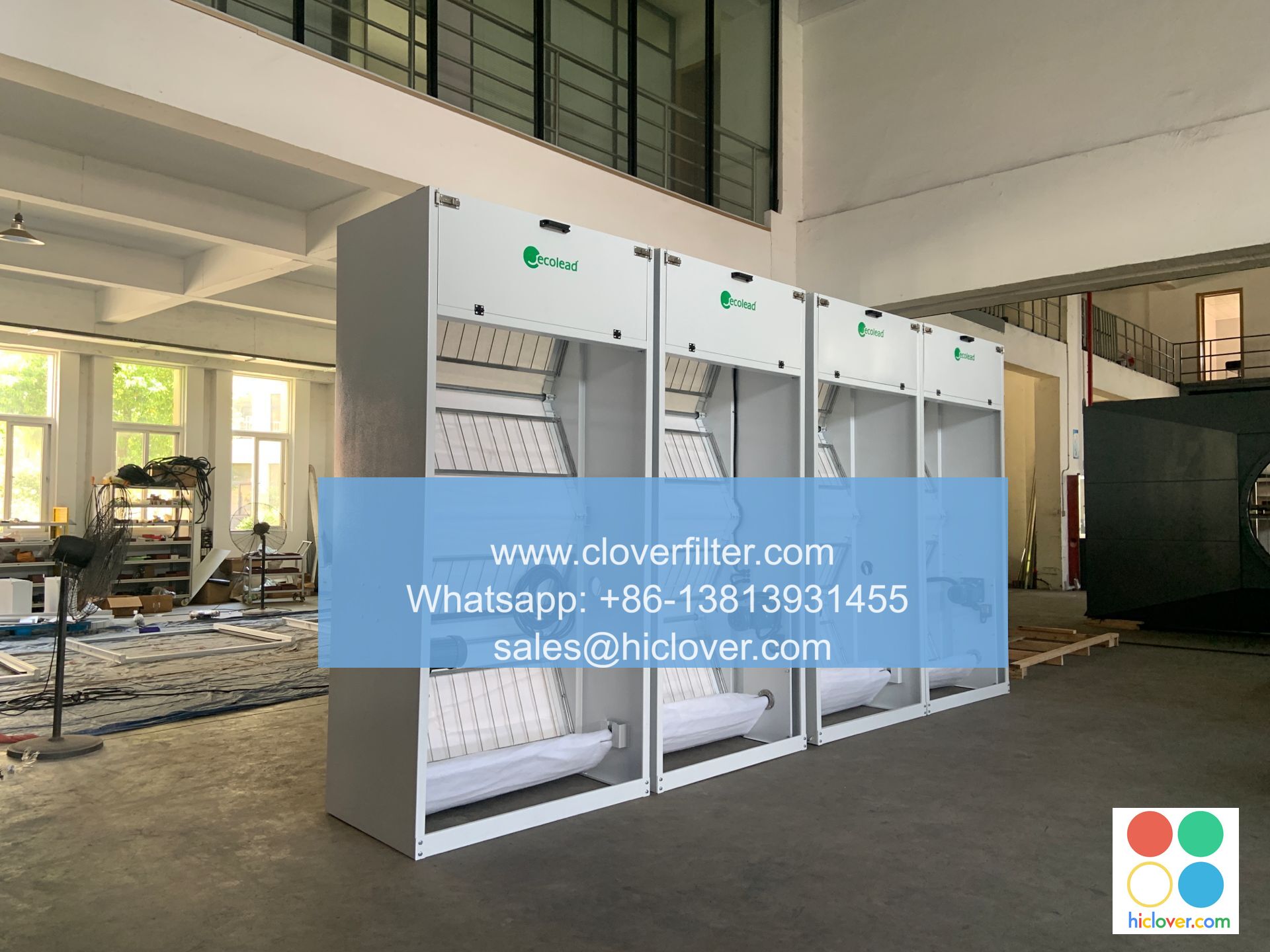
An Automatic Roll Air Filter is a sophisticated air filtration solution designed for various industrial applications, such as data centers, cleanrooms, and hospitals. Unlike traditional filters, these units utilize roll media that automatically advances, ensuring optimal performance and minimal manual intervention. The filter operates based on a differential pressure logic, where it triggers the media advance when the pressure reaches a certain threshold, maintaining consistent air quality.
In HVAC systems, specifically in Air Handling Units (AHUs), this type of filter is strategically placed at the fresh air intake or return systems. This positioning allows for efficient particulate control, ensuring that harmful contaminants are filtered out before reaching sensitive areas of operation.

How Automatic Roll Air Filters Work
The operation of an Automatic Roll Air Filter is centered around its innovative design. Here are the key components:
Selecting the Right Automatic Roll Air Filter
When choosing an Automatic Roll Air Filter, several factors must be considered to ensure optimal performance in your specific application:
Comparing Air Filtration Solutions
| Type of Filter | Best Use Case | Maintenance | Pressure Drop Behavior | Operating Cost | Typical Risk/Downside |
|---|---|---|---|---|---|
| Automatic Roll Air Filter | High air quality needs | Low | Low | Moderate | Initial setup cost |
| Bag Filter | General industrial use | Moderate | Moderate | Low | Limited lifespan |
| Panel Filter | Standard environments | High | High | Low | Frequent replacement |
| V-bank | Space-constrained areas | Moderate to High | Variable | Moderate | Complex installation |
Common Mistakes & How to Avoid Them
To optimize the performance and lifespan of air filters, avoid these common pitfalls:
Real-World Scenarios
Understanding how different facilities leverage Automatic Roll Air Filters can offer practical insights:
FAQ Section
1. What is an Automatic Roll Air Filter?
An Automatic Roll Air Filter is a dynamic filtration system that uses a continuous roll of filter media, automatically advancing when needed, to provide efficient air filtration.
2. How often should filters be replaced?
Generally, filters should be checked monthly, with replacements occurring based on the manufacturer’s recommendations or when the differential pressure exceeds prescribed limits.
3. What industries benefit from using Automatic Roll Air Filters?
Industries such as healthcare, data centers, manufacturing, and clean rooms significantly benefit from these advanced filtration systems.
4. Can I automate the filter maintenance process?
Yes, many Automatic Roll Filters come equipped with timers and sensors to automate the media advancement process.
5. What are the energy savings associated with Automatic Roll Air Filters?
These filters typically reduce energy consumption due to their low pressure drop, leading to lower fan energy costs, especially in large HVAC systems.
6. Are CloverFilter Automatic Roll Air Filters compliant with industry standards?
CloverFilter products meet various industry expectations, including general compliance with ISO 16890 / EN 779 legacy parameters for air filters. Availability of certifications can be confirmed on request.
7. What factors affect the choice of filter type?
Airflow demands, installation space, maintenance capabilities, and specific operational needs determine the best filter type for a given application.
8. How do I determine if my filter needs maintenance?
Regular monitoring of pressure drops and air quality metrics can indicate when maintenance is due.
9. Are additional features available for Automatic Roll Air Filters?
Yes, options include remote monitoring, data logging, and integration with smart HVAC systems for enhanced control.
10. How do I contact CloverFilter for more information?
For further inquiries regarding air filter support and products, reach out via their contact page: CloverFilter Contact.
Meta Description: Explore the essential guide to air filter maintenance, focusing on Automatic Roll Air Filters, selection criteria, and practical tips for efficient air filtration.
For expert advice and quality filtration solutions, visit CloverFilter at CloverFilter.
Sure! What do you need help with? If you have a specific prompt or topic in mind, feel free to share, and I’ll assist you accordingly!
