Resolving Air Filter Clogs and Blockages
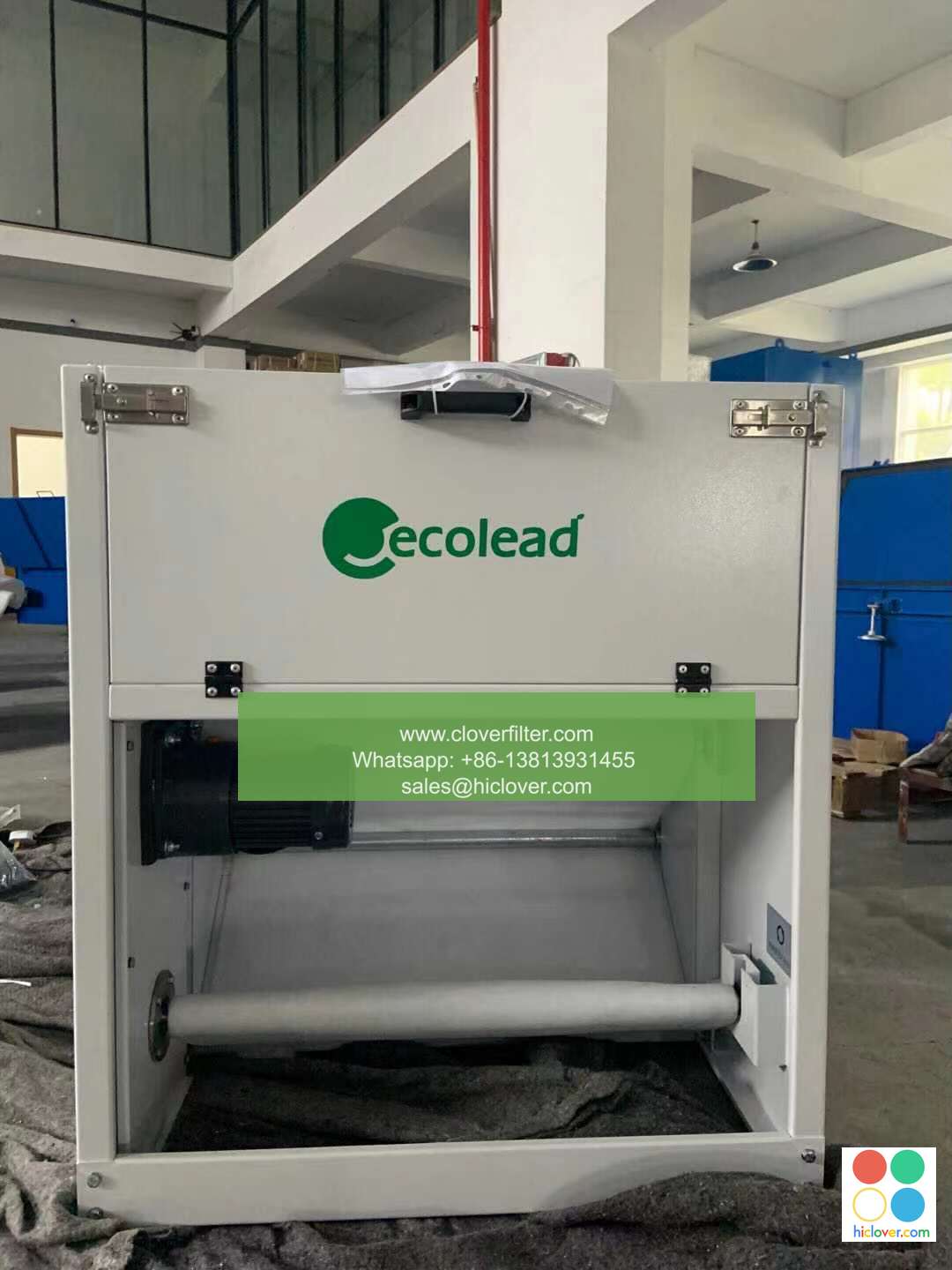
Air filters play a crucial role in maintaining the indoor air quality and efficiency of heating, ventilation, and air conditioning (HVAC) systems. However, like any other mechanical component, air filters can become clogged and blocked, leading to reduced airflow, decreased system performance, and increased energy consumption. In this article, we will discuss the causes of air filter clogs and blockages, their effects on HVAC systems, and provide a step-by-step guide on resolving these issues in various application areas, including residential, commercial, and industrial settings.
Causes of Air Filter Clogs and Blockages
Air filter clogs and blockages can occur due to a variety of reasons, including:
* Poor maintenance: Failure to regularly clean or replace air filters can lead to the accumulation of dirt, dust, and other debris, causing clogs and blockages.
* High pollutant levels: Areas with high levels of air pollution, such as urban areas or industrial zones, can cause air filters to become clogged more quickly.
* Incorrect filter installation: Improperly installed air filters can lead to reduced airflow and increased pressure, causing clogs and blockages.
* Aging filters: Over time, air filters can become worn out and less effective, leading to clogs and blockages.
Effects of Air Filter Clogs and Blockages
Clogged and blocked air filters can have significant effects on HVAC systems, including:
* Reduced airflow: Clogged air filters can reduce airflow, making it difficult for the system to heat or cool the space efficiently.
* Increased energy consumption: Clogged air filters can cause the system to work harder, leading to increased energy consumption and higher utility bills.
* Reduced system performance: Clogged air filters can reduce the overall performance of the HVAC system, leading to reduced comfort levels and increased maintenance costs.
* Poor indoor air quality: Clogged air filters can lead to poor indoor air quality, exacerbating respiratory issues and other health problems.
Resolving Air Filter Clogs and Blockages
Res!olving air filter clogs and blockages requires a combination of regular maintenance, proper installation, and filter cleaning or replacement. Here are some steps to follow:
* Regular maintenance: Regularly inspect and clean air filters to prevent the accumulation of dirt and debris.
* Proper installation: Ensure that air filters are installed correctly to prevent reduced airflow and increased pressure.
* Filter cleaning or replacement: Clean or replace air filters as needed to maintain optimal system performance.
* Upgrade to high-efficiency filters: Consider upgrading to high-efficiency air filters that can capture smaller particles and reduce clogging.

Application Areas
Resolving air filter clogs and blockages is crucial in various application areas, including:
* Residential settings: Regular maintenance and proper installation of air filters can help improve indoor air quality and reduce energy consumption in homes.
* Commercial settings: Proper maintenance and installation of air filters can help improve indoor air quality and reduce energy consumption in offices, restaurants, and other commercial establishments.
* Industrial settings: Regular maintenance and proper installation of air filters can help improve indoor air quality and reduce energy consumption in factories, warehouses, and other industrial facilities.
* Healthcare settings: Resolving air filter clogs and blockages is particularly important in healthcare settings, where high-efficiency air filters can help prevent the spread of airborne diseases.
In conclusion, resolving air filter clogs and blockages is essential to maintaining the efficiency and effectiveness of HVAC systems in various application areas. By following regular maintenance schedules, installing air filters correctly, and upgrading to high-efficiency filters, individuals and organizations can improve indoor air quality, reduce energy consumption, and prevent the negative effects of clogged and blocked air filters. It seems like you forgot to include the actual prompt. Please go ahead and provide the question or topic you’d like to discuss, and I’ll do my best to provide a helpful and direct response.
