The Benefits of Automatic Roll Air Filters in Food Processing: A Nestlé Canada Case Study
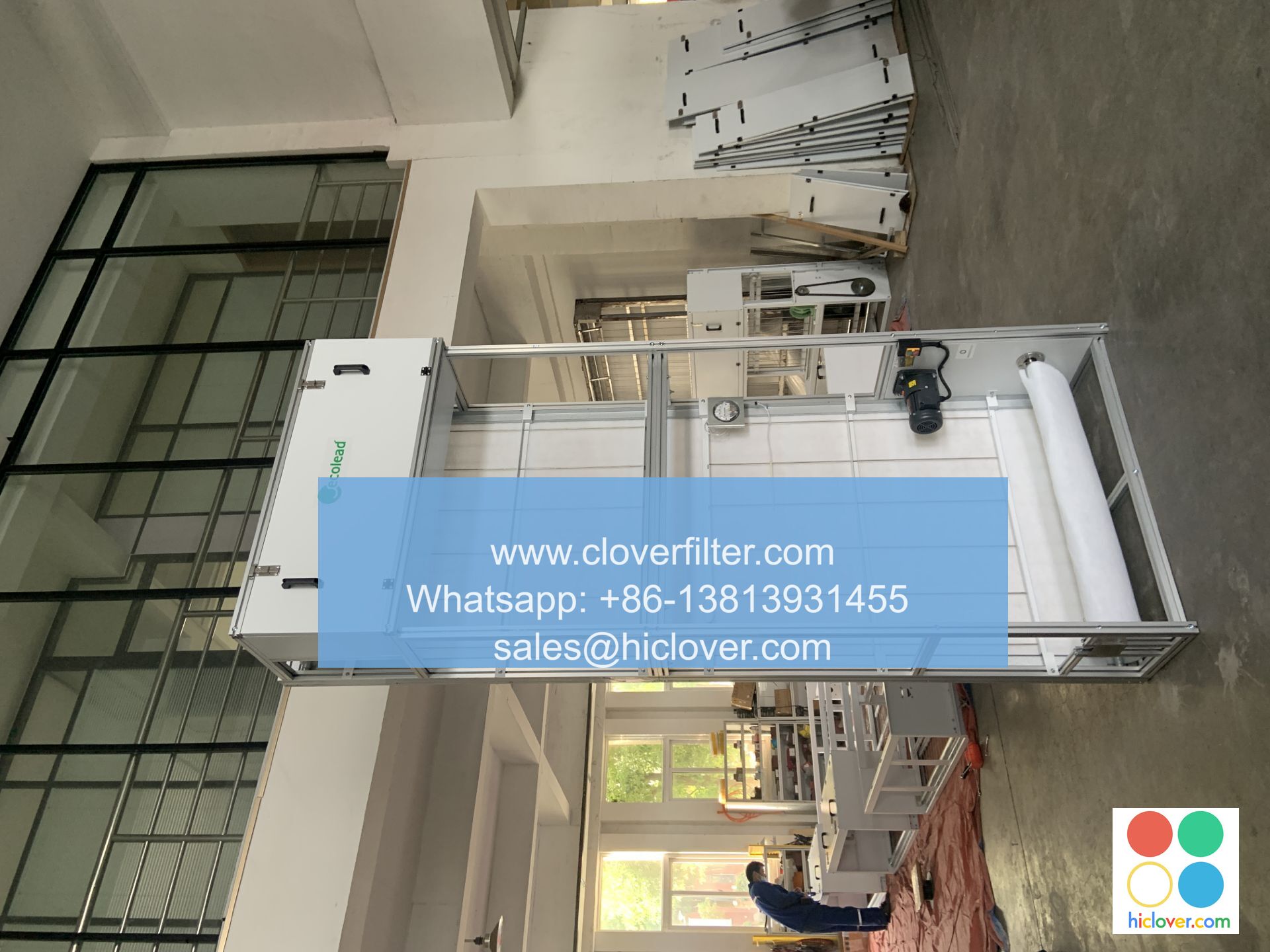
The food processing industry is a complex and highly regulated sector that requires meticulous attention to detail to ensure the quality and safety of products. One critical aspect of food processing is air filtration, which plays a crucial role in preventing contamination and maintaining a clean environment. In this article, we will explore the benefits of automatic roll air filters in food processing, highlighting their application areas and showcasing a case study from Nestlé Canada.
What are Automatic Roll Air Filters?
Automatic roll air filters are a type of air filtration system that uses a continuous roll of filter media to capture airborne contaminants. These filters are designed to automatically advance the filter media as it becomes loaded with dust and debris, ensuring a consistent level of air quality and minimizing maintenance requirements. Air purification systems like these are essential in food processing facilities, where cleanroom technology and regulated environments are necessary to prevent contamination.
Benefits of Automatic Roll Air Filters in Food Processing
The benefits of automatic roll air filters in food processing are numerous, including:
* Improved air quality and reduced risk of contamination
* Increased efficiency and reduced maintenance requirements
* Enhanced product quality and safety
* Compliance with regulatory requirements and industry standards
* Cost savings through reduced energy consumption and extended filter life
* Environmental benefits through reduced waste and minimized environmental impact
Application Areas of Automatic Roll Air Filters
Automatic roll air filters can be applied in various areas of food processing, including:
* Bakery facilities, where flour and other airborne particles can be a significant concern
* Dairy processing plants, where air quality is critical to preventing contamination and spoilage
* Meat and poultry processing facilities, where biosecurity and pathogen control are essential
* Confectionery manufacturing, where sugar dust and other airborne particles can be a problem
* Beverage production facilities, where air quality and water quality are critical to product safety and quality

Nestlé Canada Case Study
Nestlé Canada, a leading food and beverage manufacturer, recently implemented automatic roll air filters in their manufacturing facility to improve air quality and reduce maintenance requirements. The results were impressive, with a significant reduction in airborne contaminants and a corresponding improvement in product quality. The air filtration system also helped Nestlé Canada to meet regulatory requirements and industry standards, ensuring compliance with food safety regulations and quality control standards.
Conclusion
In conclusion, automatic roll air filters are a valuable addition to any food processing facility, offering numerous benefits and application areas. By implementing these filters, food manufacturers can improve air quality, reduce maintenance requirements, and enhance product quality and safety. The Nestlé Canada case study demonstrates the effectiveness of automatic roll air filters in real-world applications, highlighting their potential to improve air purification, cleanroom technology, and regulated environments in food processing facilities. As the food processing industry continues to evolve, the use of automatic roll air filters is likely to become increasingly important, driving innovation and growth in the sector.
