Sudbury Mining Equipment Workshop: How Automatic Roll Air Filters Can Reduce Downtime and Increase Productivity
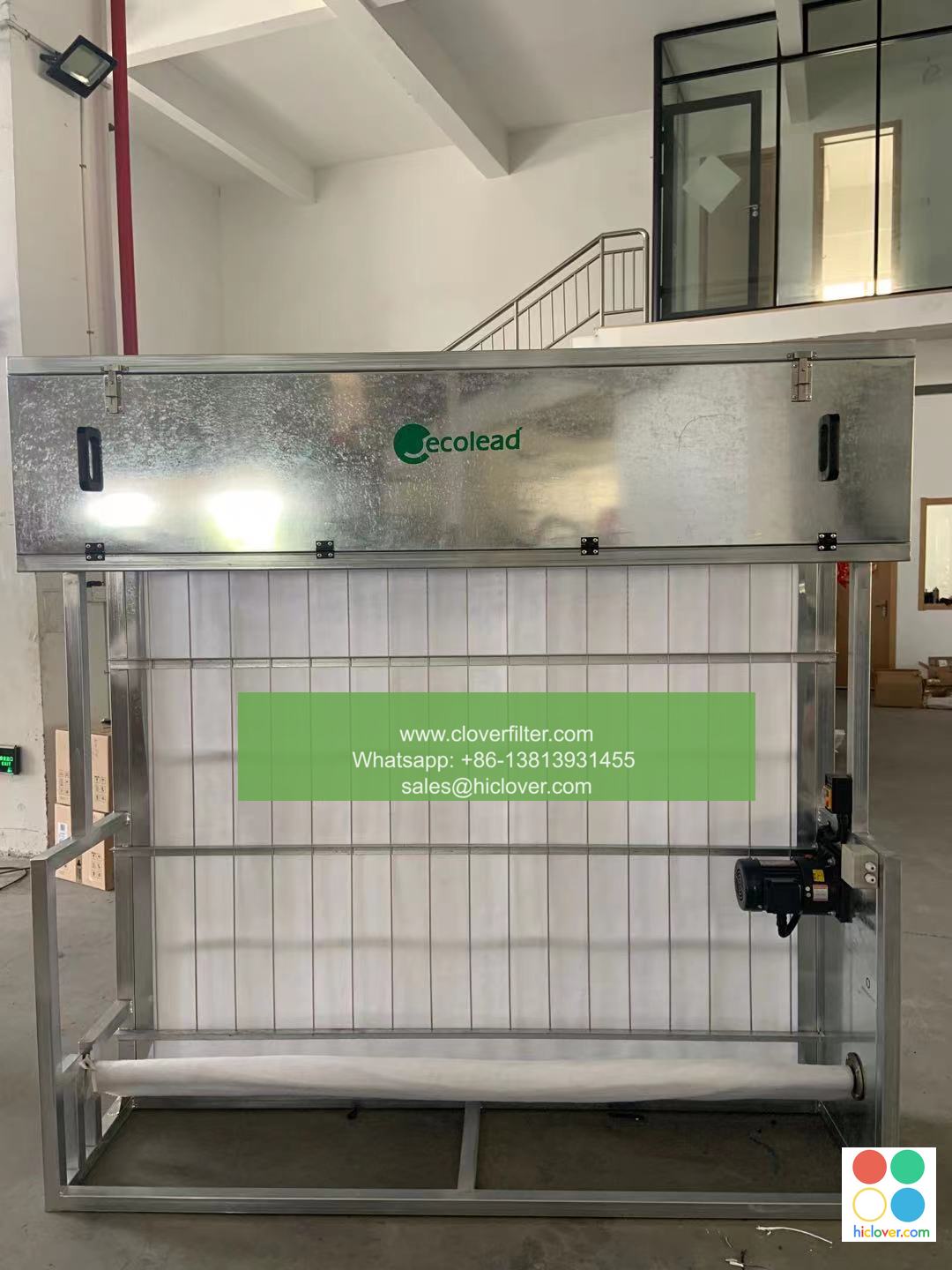
This article explores the significance of automatic roll air filters in the Sudbury mining equipment workshop, and how they contribute to reducing downtime and improving productivity levels.

The Role of Air Filtration in Mining Operations
In the mining industry, maintaining equipment is crucial for ensuring operational efficiency. One overlooked aspect of this maintenance is air filtration. Mining sites are often characterized by harsh conditions, including dust and debris, which can clog filters and damage machinery. Regular maintenance of air filtration systems, particularly with the use of automatic roll air filters, can mitigate these challenges.
Advantages of Automatic Roll Air Filters
Automatic roll air filters present a range of advantages that can revolutionize operational practices in the Sudbury mining equipment workshop. These include:
- Reduced Downtime: Traditional filter systems require frequent manual changes, leading to significant downtime. Automatic roll air filters allow for seamless operation without the need for constant intervention, minimizing interruptions in workflow.
- Enhanced Equipment Longevity: By maintaining optimal air quality, automatic roll air filters protect expensive machinery from damaging contaminants. This ensures that equipment lasts longer, saving on replacement costs and equipment downtime.
- Increased Productivity: With filters that function more effectively, mining operators can focus on core tasks without worrying about air quality or equipment malfunctions. This leads to higher productivity levels and improved efficiency.
- Cost-Effectiveness: While the initial investment in automatic roll air filters may be higher than traditional systems, the long-term savings brought about by reduced maintenance, enhanced equipment life, and downtime reduction make them a cost-effective option.
- Improved Air Quality: Automatic roll air filters are designed to capture a higher percentage of airborne pollutants, enhancing air quality for both machinery and the people operating them. This is especially vital in avoiding health issues associated with prolonged exposure to dust and debris.
- Assessment: Evaluate existing air filtration systems and identify areas where automatic roll air filters can be implemented.
- Installation: Work with installation experts to ensure that the new systems are set up correctly and seamlessly to fit operational needs.
- Training: Provide adequate training for staff to understand how to monitor and maintain the automatic roll air filters effectively.
- Monitoring: Regularly check the performance of the filters and make adjustments as needed to maintain efficiency.

Implementation of Automatic Roll Air Filters
The integration of automatic roll air filters into the Sudbury mining equipment workshop is a straightforward process, but it requires planning and execution to maximize benefits:
Conclusion
In conclusion, the use of automatic roll air filters in the Sudbury mining equipment workshop serves as a game-changing approach to maintaining air quality and reducing machinery downtime. By investing in these advanced filtering systems, mining operations can significantly enhance productivity, increase equipment longevity, and reduce overall operational costs. The transition to automatic roll air filters is not just a technical upgrade; it represents a commitment to fostering a safer, more efficient workplace.
FAQs
1. What are automatic roll air filters?
Automatic roll air filters are advanced air filtration systems that use a roll of filter media that can be automatically advanced when the existing filter becomes saturated or clogged, eliminating the need for manual replacement.
2. How do these filters reduce downtime?
They reduce downtime by minimizing the frequency of manual filter changes and ensuring continuous operation of machinery, which helps maintain productivity levels.
3. Are automatic roll air filters cost-effective?
Yes, although they may have higher upfront costs, they often lead to long-term savings through reduced maintenance and extended machinery life, as well as operational efficiency.
4. How often do I need to monitor these filters?
Monitoring frequency can vary, but it’s generally recommended to conduct performance checks regularly and during scheduled maintenance to ensure optimal function.
