The Role of Air Filters in Controlling Airborne Microorganisms: A Documentation Review
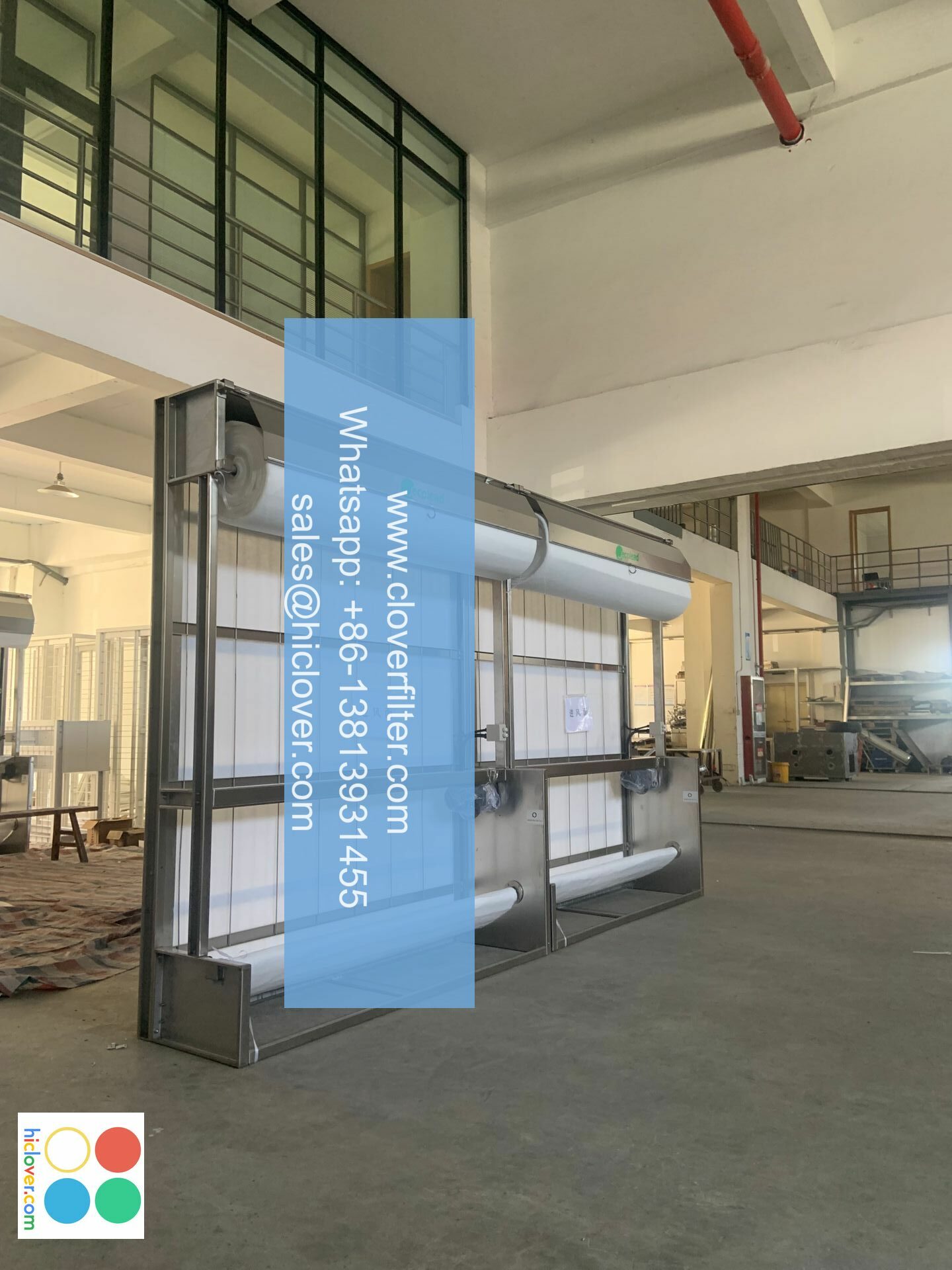
As environmental concerns and public health issues grow, the significance of air filters in controlling airborne microorganisms has garnered increased attention. This article provides a comprehensive review of the role air filters play in various application areas, particularly in hospitals, homes, and industrial settings.
Understanding Airborne Microorganisms

Airborne microorganisms primarily include bacteria, viruses, and fungi that can significantly impact human health. They can be transmitted through the air, resulting in various respiratory diseases and infections. Thus, understanding how to mitigate their presence in indoor environments is crucial.
The Mechanism of Air Filters
Air filters operate using a variety of filtration mechanisms, including:
- Mechanical Filtration: This method physically obstructs particles from passing through.
- Electrostatic Filtration: This technique uses static electricity to attract and capture particles.
- Chemical Filtration: This method employs absorbent materials that chemically neutralize or eliminate microorganisms.
- HEPA Filters: High-Efficiency Particulate Air filters are capable of removing 99.97% of particles, including bacteria and allergens.
- UV-C Filters: Filters that utilize ultraviolet light to deactivate harmful microorganisms.
- Activated Carbon Filters: These filters can absorb toxins and odors, along with certain types of microbes.
- Maintenance: Regular maintenance is critical for optimal performance. Clogged filters can reduce airflow and efficiency.
- Cost: High-efficiency filters can be an investment, and some facilities may be reluctant to incur these costs.
- Awareness: Many individuals are unaware of the importance of air filters in controlling airborne microorganisms, leading to underutilization.
Types of Air Filters
Air filters come in different types, each with its own effectiveness in trapping airborne microorganisms:
Application Areas
1. Hospitals and Healthcare Facilities
In hospitals, air filters play a vital role in controlling infectious diseases. With the potential for airborne transmission of pathogens like tuberculosis and COVID-19, maintaining high air quality is crucial. The use of HEPA filters in operating rooms and patient recovery areas can significantly reduce the risk of hospital-acquired infections (HAIs).
2. Residential Spaces
In home settings, air filters can improve indoor air quality by reducing allergens, dust, and airborne microorganisms. This is especially important for individuals with respiratory issues or weakened immune systems. The integration of air purifiers with HEPA and UV-C filters can enhance home environments, promoting health and wellbeing.
3. Industrial Applications
In industrial environments, maintaining a clean air supply is essential for both worker health and product integrity. Factories, particularly those involved in pharmaceuticals and food processing, utilize advanced air filtration systems to eliminate bacteria and decrease contamination risks. Effective filtration systems also help in managing volatile organic compounds (VOCs) that can harm human health.
Challenges and Considerations
While air filters offer significant benefits, challenges remain in their implementation:
Conclusion
The role of air filters in controlling airborne microorganisms is indispensable across various sectors, including healthcare, residential, and industrial applications. The continuous evolution and improvement of air filtration technologies underline the necessity to address public health challenges posed by airborne pathogens. By prioritizing air quality through effective filtration, we can significantly mitigate health risks and create safer environments.
It looks like your message got cut off! Could you please provide more details or clarify what you’d like assistance with? Whether it’s a topic you want to discuss, a question you have, or a specific prompt you’re looking for help with, I’m here to assist!
