The Economic Benefits of Clean Air Technology: Vancouver’s Automatic Roll Air Filter Plant’s Impact
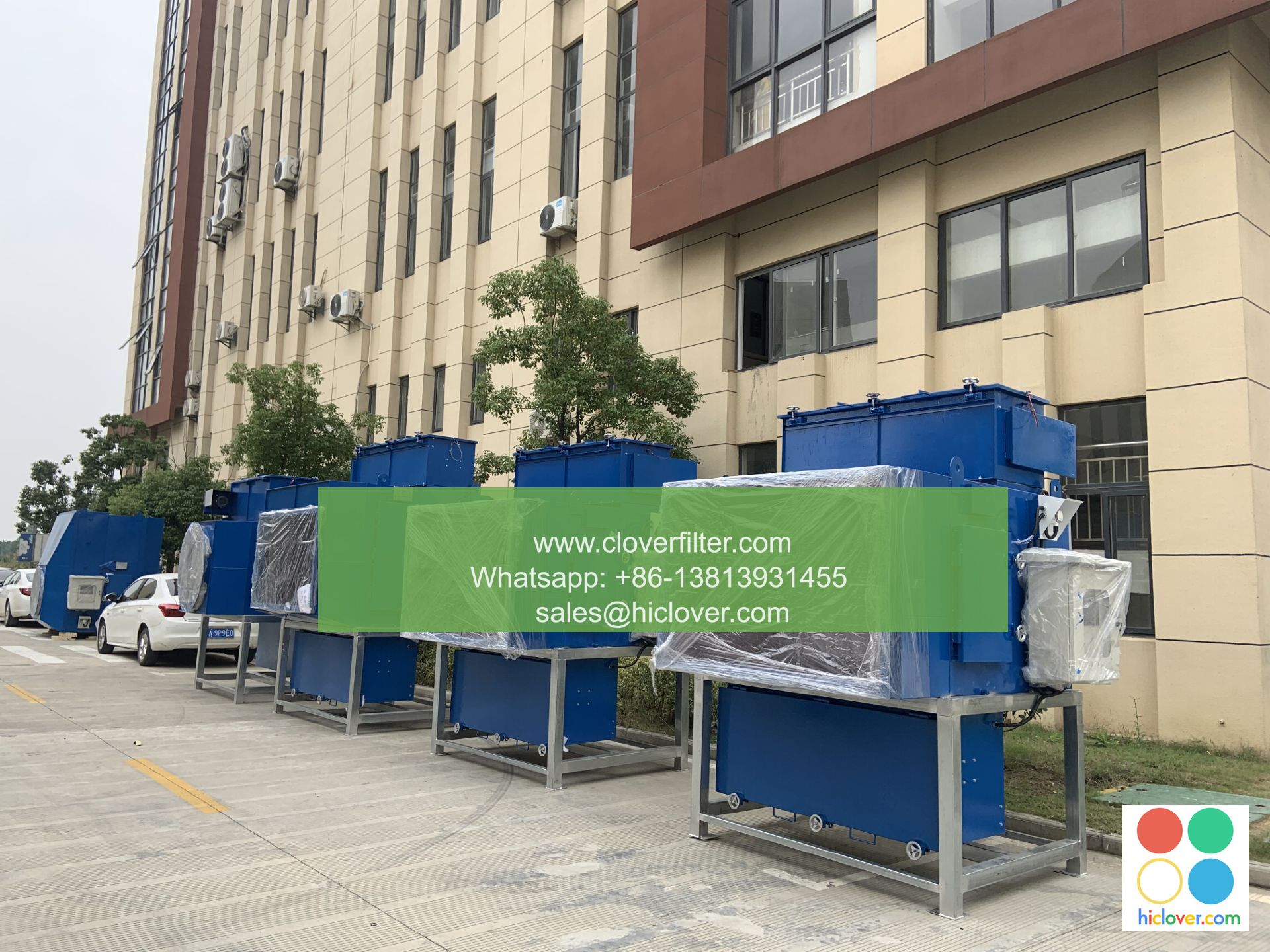
In recent years, the movement toward clean air technology has witnessed significant momentum, particularly in urban regions facing pollution challenges. Clean air technology not only serves an environmental purpose but also brings substantial economic benefits to cities. Vancouver’s Automatic Roll Air Filter Plant is a prime example of how investing in clean air solutions can lead to both environmental enhancement and economic growth.
Understanding Clean Air Technology

Clean air technology encompasses a range of innovations designed to reduce air pollution, including filtration systems, air purifiers, and renewable energy sources. These technologies ultimately contribute to healthier living conditions by improving air quality, a crucial factor in public health. With chronic respiratory diseases on the rise due to air pollution, cities are compelled to explore alternatives that ensure better air quality.
The Role of Vancouver’s Automatic Roll Air Filter Plant
Vancouver’s Automatic Roll Air Filter Plant is at the forefront of this revolution. This facility specializes in the production of advanced air filtration systems that are both efficient and effective, suitable for industrial, commercial, and residential applications. The plant employs cutting-edge technology that automates the production of air filters, ensuring high quality while reducing production costs.
Economic Benefits of Clean Air Technology
The economic impacts of clean air technology, particularly in Vancouver, manifest in several ways:

1. Job Creation
The establishment of the Automatic Roll Air Filter Plant has directly led to the creation of hundreds of jobs in the region. From manufacturing positions to research and development roles, the plant has opened up diverse employment opportunities that bolster the local economy.
2. Reduced Healthcare Costs
Cleaner air translates to better public health, subsequently reducing healthcare costs associated with air quality-related illnesses. By mitigating the prevalence of respiratory and cardiovascular issues, the strain on the healthcare system diminishes, allowing for better allocation of resources.
3. Attraction of Investments
Proactive measures towards clean air contribute positively to a city’s reputation, attracting businesses that prioritize sustainability. Companies are more likely to invest in an area known for its commitment to environmental stewardship, which further enhances the local economy.
4. Increased Property Values
Higher air quality often leads to increased property values. Properties in areas with lower pollution levels are more desirable, providing homeowners and real estate investors with tangible benefits and bolstering the local tax base.
5. Innovation and Technological Development
The pursuit of clean air solutions encourages research and innovation, prompting universities, startups, and established businesses to invest in related technologies. This drive fosters an ecosystem of innovation, establishing Vancouver as a leader in sustainable technology.
Conclusion
The Automatic Roll Air Filter Plant in Vancouver exemplifies how clean air technology can yield significant economic benefits. Job creation, reduced healthcare costs, investment attraction, increased property values, and a culture of innovation represent just a few advantages derived from such initiatives. As urban centers face increasingly stringent air quality standards, investing in clean air technology is not merely an environmental imperative but an economic opportunity that will shape our cities for generations to come.
FAQs
What are the main technologies used in clean air solutions?
Clean air solutions include technologies such as HEPA filters, electrostatic precipitators, and various air purifiers that utilize UV-C light, activated carbon, or ionization to remove pollutants.
How does air quality affect public health?
Poor air quality is linked to various health issues, including asthma, allergies, heart disease, and lung cancer. Improved air quality reduces the risk of these conditions and promotes overall well-being.
Can clean air technology be profitable?
Yes, investing in clean air technology can be highly profitable through job creation, improved public health, and boosting local economies, as seen with Vancouver’s initiatives.
What role does government policy play?
Government
