The Role of Air Filtration in Controlling Airborne Pathogens
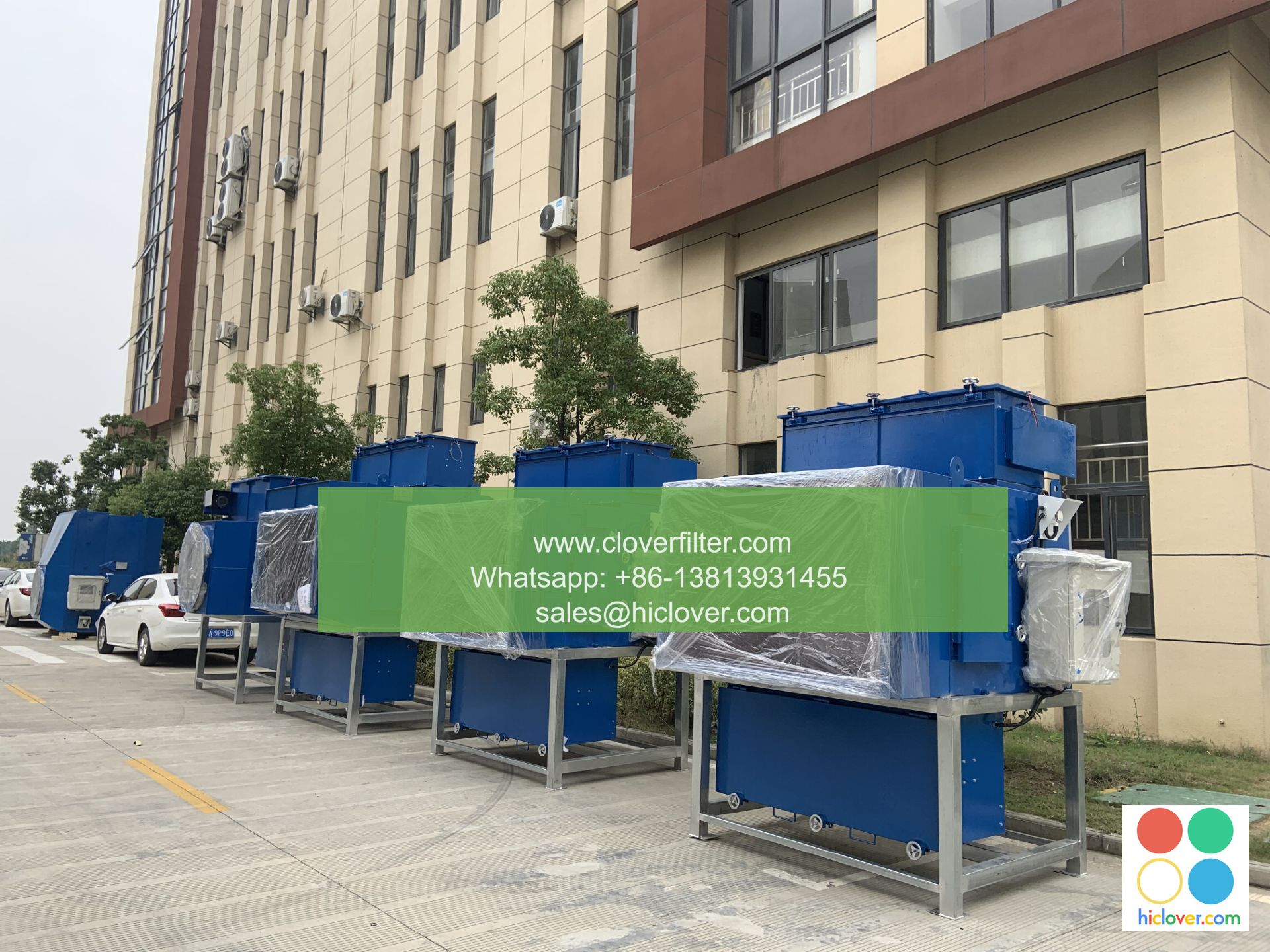
In an era where public health is continuously challenged by airborne pathogens, the importance of air filtration in various environments has become more critical than ever. Effective air filtration systems serve as a frontline defense in isolating and eliminating harmful microorganisms, thereby maintaining healthy indoor air quality.
Understanding Airborne Pathogens

Airborne pathogens are microorganisms such as bacteria, viruses, and fungi that are transmitted through the air. These pathogens can lead to a variety of health issues, including respiratory infections, allergies, and other diseases. The World Health Organization (WHO) recognizes that contaminated air is a major public health risk, making it essential to implement mechanisms to control airborne threats.
How Air Filtration Works
Air filtration systems operate by removing particulate matter from the air, including dust, pollen, smoke, and pathogens. The most effective air filters include HEPA (High-Efficiency Particulate Air) filters, which can capture up to 99.97% of particles as small as 0.3 microns. This capability not only ensures cleaner air but actively reduces the spread of diseases.
Application Areas of Air Filtration
1. Healthcare Facilities
In hospitals and clinics, air filtration systems are essential for infection control. HVAC (Heating, Ventilation, and Air Conditioning) systems equipped with HEPA filters can significantly reduce the concentration of airborne pathogens in patient rooms, waiting areas, and operating theaters. By improving indoor air quality, these systems help to mitigate the risk of hospital-acquired infections (HAIs).
2. Educational Institutions
Schools and universities are high-density environments where airborne pathogens can easily spread among children and young adults. Implementing effective air filtration systems in classrooms and common areas is vital to create a safe learning environment. Enhanced ventilation, coupled with filtration technology, can reduce absenteeism and promote better health outcomes for students and staff alike.
3. Commercial Spaces
Air filtration is equally important in commercial settings, where increased foot traffic can lead to the spread of illnesses. Retail stores, offices, and restaurants can benefit from improved air quality, which has been linked to increased productivity and reduced sick leave. Systems designed to filter out allergens and pathogens can foster a healthier work and shopping atmosphere.
4. Residential Homes
Homeowners can also take proactive steps to improve air quality by integrating filtration systems into their HVAC units. By reducing allergens and pathogens, these systems can contribute to better respiratory health for families, particularly for those with pre-existing conditions such as asthma or allergies.
Technological Advancements in Air Filtration
Recent advancements in air filtration technology have introduced solutions such as UV-C (Ultraviolet-C) lights and ionizers that further enhance pathogen reduction capabilities. These technologies work by disinfecting the air and surfaces, targeting microorganisms at a molecular level.
Conclusion
Controlling airborne pathogens through effective air filtration systems is crucial in protecting public health across various settings. From healthcare facilities to homes, the implementation of advanced filtration can lead to healthier environments and a reduction in the spread of infectious diseases. As the urgency for cleaner air grows, investing in proper air filtration technologies will continue to be a wise and necessary choice in safeguarding our health.
Of course! What kind of prompt are you looking for? It could be for writing, drawing, a creative project, or something else. Let me know any specific themes or subjects you’re interested in!
