The Impact of Automatic Roll Air Filters on Data Center Energy Efficiency in Ontario
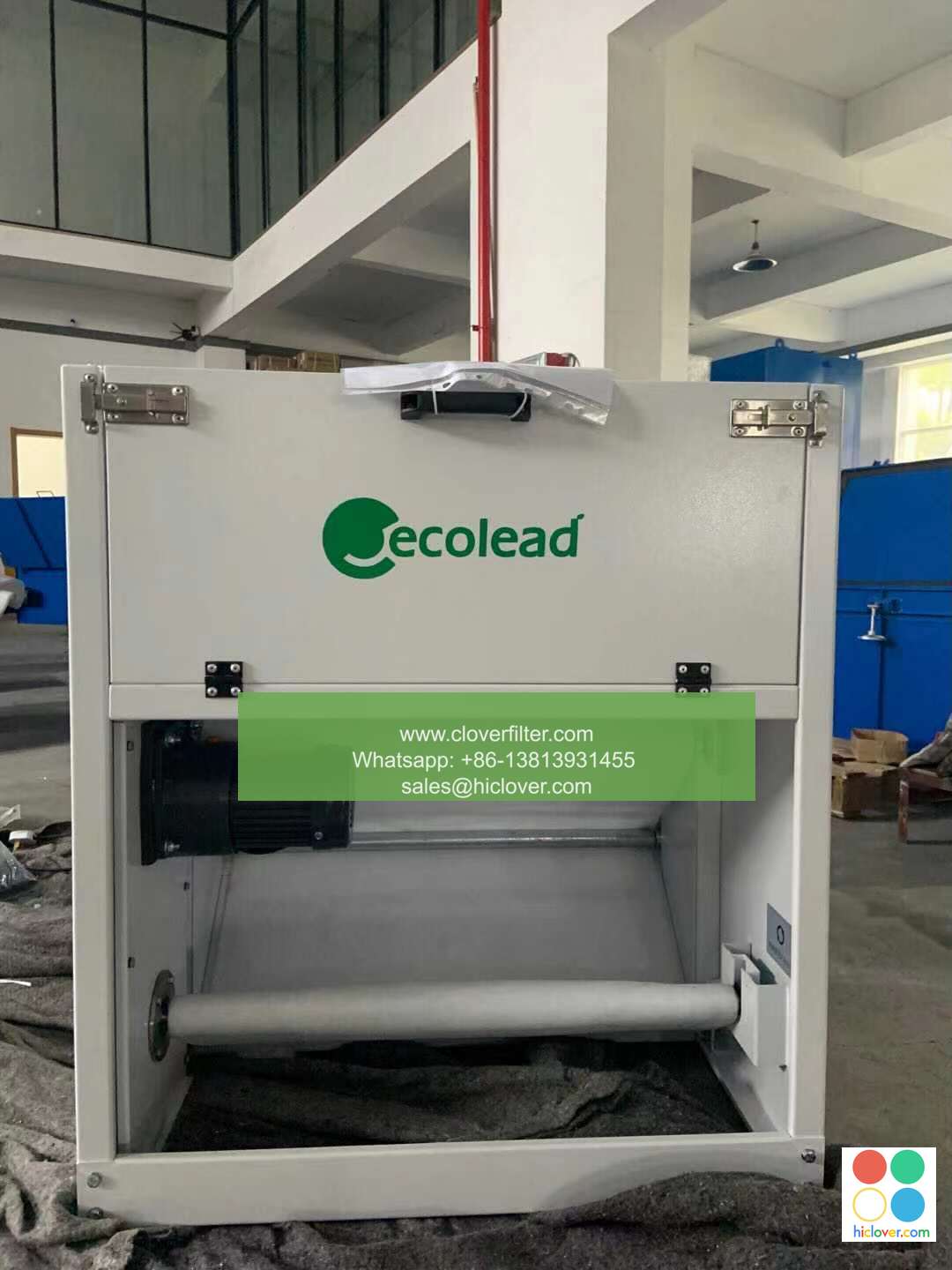
Data centers are the backbone of digital infrastructure, supporting a wide range of services from cloud computing to big data analytics. In Ontario, the increasing demand for computing power has led to the rapid expansion of data centers, which in turn raises concerns about their energy consumption. One of the significant factors contributing to energy efficiency is the management of cooling systems. In this context, automatic roll air filters have emerged as a promising solution for improving energy efficiency in data centers.
Understanding Automatic Roll Air Filters

Automatic roll air filters represent a modern approach to air filtration within the HVAC systems of data centers. Unlike traditional static filters, these systems are designed to automatically roll out new filter material as older sections become dirty, effectively maintaining a constant level of air quality without requiring manual replacement. This continuous process minimizes airflow resistance and keeps energy usage low, which is crucial in environments where every watt counts.
Energy Efficiency Benefits
One of the most significant impacts of using automatic roll air filters is their contribution to overall energy efficiency. Data centers consume substantial amounts of energy, primarily for cooling. Efficient air filtration ensures that these cooling systems operate optimally, reducing the workload on cooling units and subsequently lowering energy demand. The adoption of automatic roll air filters can lead to a 10-30% reduction in energy consumption, depending on the system configuration and local climate conditions in Ontario.
Improved Air Quality
In addition to energy efficiency, maintaining air quality is essential for data center operations. High levels of dust and particulate matter can lead to equipment overheating and failures. Automatic roll air filters provide a more effective way to manage air quality by ensuring that filters are always clean, thereby enhancing the reliability and performance of IT equipment. Improved air quality not only prolongs the lifespan of hardware but also supports the operational integrity of critical systems.

Compliance and Sustainability
Ontario is known for its commitment to sustainability and reducing greenhouse gas emissions. Implementing technologies like automatic roll air filters aligns with provincial goals such as those outlined in the Ontario Energy Efficiency Action Plan. By investing in energy-efficient infrastructure, data centers can better comply with regulations while also showcasing their commitment to environmental sustainability, making them more attractive to customers who prioritize corporate responsibility.
Challenges and Considerations
While the benefits of automatic roll air filters are substantial, there are challenges associated with their implementation. The initial capital expenditure can be significant, and facilities may require retrofitting for new systems. To make informed decisions, data center operators in Ontario should conduct thorough cost-benefit analyses and consider potential operational savings over time.
Conclusion
As the demand for data processing continues to soar, the focus on energy efficiency in data centers grows increasingly crucial. Automatic roll air filters represent a transformative solution that not only enhances filtering capabilities but also contributes significantly to energy savings and compliance with sustainability goals. By integrating these systems, data centers in Ontario can reduce their energy consumption, improve equipment reliability, and maintain optimal air quality, all while aligning with broader environmental objectives.
FAQs
1. What are automatic roll air filters?
Automatic roll air filters are air filtration systems designed to provide continuous filtering by automatically rolling out new filter material as the existing material becomes dirty.
2. How do automatic roll air filters improve energy efficiency?
They reduce airflow resistance within HVAC systems, allowing cooling units to work less intensively and consume less energy.
3. Are there upfront costs associated with implementing these filters?
Yes, there can be significant initial costs for installation and retrofitting, but operational savings over time can offset these expenses.
4. How do air quality and energy efficiency correlate?
Improved air quality helps prevent overheating of equipment, which can lead to greater efficiency and lower energy consumption.
