The Role of Air Filter Movements in Reducing Airborne Allergens
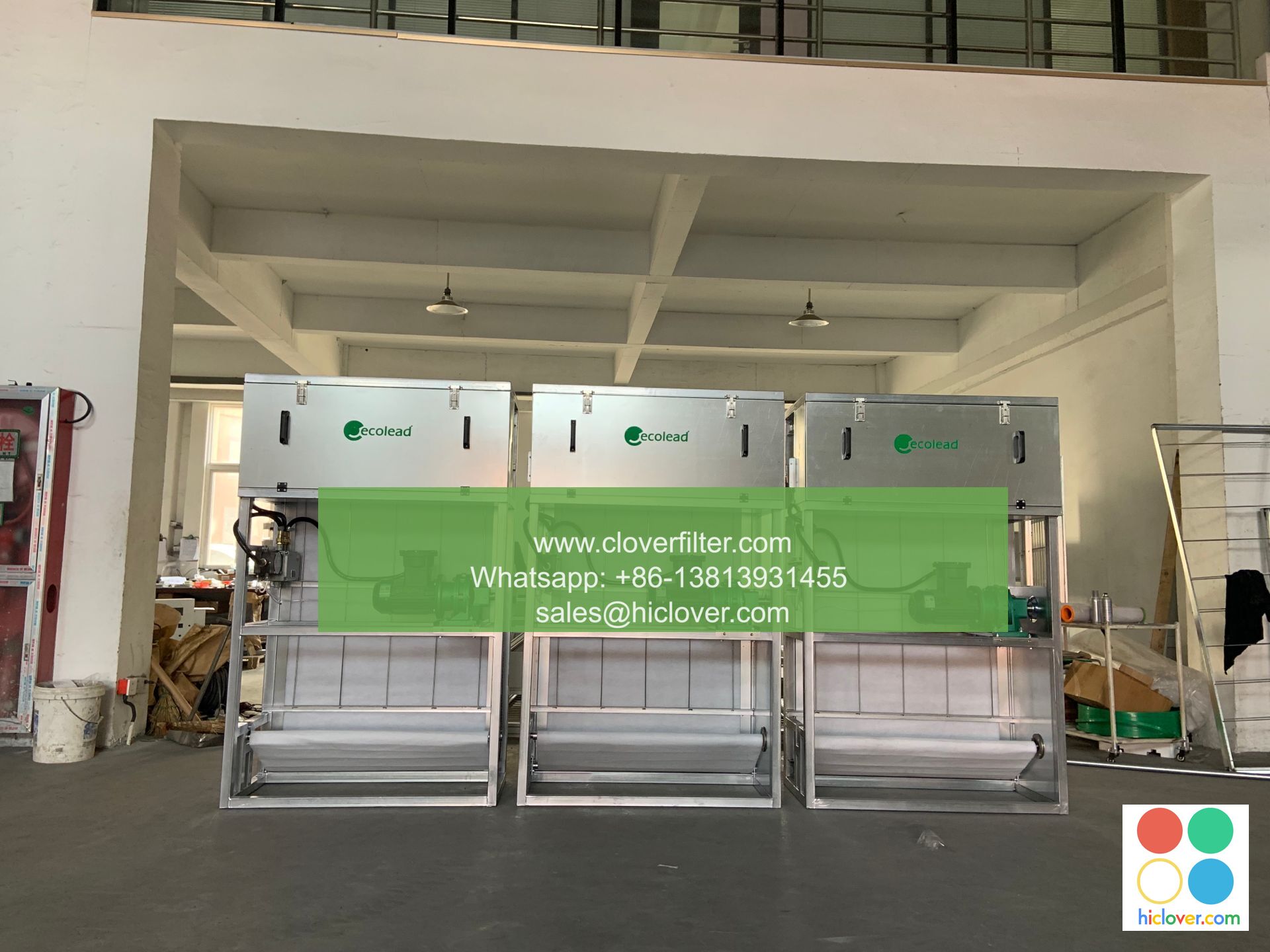
Airborne allergens pose a significant threat to public health, exacerbating conditions like asthma and allergic rhinitis. Effective air filtration is essential for indoor air quality, and understanding the role of air filter movements can greatly enhance our capacity to mitigate these allergens.
Understanding Airborne Allergens

Allergens present in the air can include pollen, mold spores, pet dander, dust mites, and various pollutants. Breathing these allergens can trigger allergic reactions, impacting millions of individuals around the world.
The Science Behind Air Filter Movements
Air filters work by capturing particulate matter and pollutants as air passes through them. Movement and airflow are crucial factors in their effectiveness. The way air filters operate can determine the volume of air processed and the efficiency with which allergens are captured.
Types of Air Filters
- HEPA Filters: High-Efficiency Particulate Air (HEPA) filters can capture 99.97% of particles as small as 0.3 microns, making them highly effective in reducing airborne allergens.
- Activated Carbon Filters: These filters are effective for odors and volatile organic compounds (VOCs), providing a dual benefit for allergy sufferers.
- Pre-Filters: Often used in conjunction with HEPA filters, these pre-filters capture larger particles, extending the life of the main filter.
- Regular Maintenance: Keep filters clean and replace them regularly to maintain optimal air quality.
- Proper Sizing: Ensure that the air filter is appropriately sized for the space to enhance airflow and efficacy.
- Strategic Placement: Position air purifiers in common areas where allergens are likely to accumulate, such as living rooms and bedrooms.

Application Areas for Air Filter Movements
Air filter movements find application in various environments, each with unique needs for airborne allergen reduction:
1. Residential Spaces
Home air purifiers equipped with high-quality filters can significantly reduce the concentration of allergens, providing relief for residents, particularly those with sensitivities.
2. Commercial Buildings
Offices and commercial buildings utilize advanced HVAC systems that utilize air filter movements to ensure optimal air quality for employees, enhancing productivity and health.
3. Healthcare Facilities
Hospitals and clinics deploy stringent air filtration systems to maintain sterile environments, protecting vulnerable patients from airborne pathogens and allergens alike.
4. Educational Institutions
Schools benefit from air filter movements by reducing allergen levels, thus promoting better health and concentration among students and staff.
Enhancing Air Filter Efficiency
To maximize air filter effectiveness, consider these tips:
Conclusion
In summary, air filter movements play a critical role in reducing airborne allergens, thus improving indoor air quality and health outcomes. With advancements in filter technology and awareness of their importance in various application areas, we can take significant steps toward creating cleaner and safer environments for everyone.
Sure! How can I assist you with your prompt? Please provide more details or specify what you’re looking for.
