The Role of Air Filter Design in Airborne Infection Control
The Role of Air Filter Design in Airborne Infection Control
Introduction

Airborne infections are a serious concern in various settings, including hospitals, schools, and offices. Airborne pathogens, such as viruses and bacteria, can spread easily through the air, posing a significant threat to public health. In this article, we will explore the crucial role of air filter design in airborne infection control, highlighting the importance of effective filtration in preventing the spread of airborne pathogens.
The Risk of Airborne Pathogens
Airborne pathogens are a significant cause of illness and death worldwide. According to the World Health Organization (WHO), airborne pathogens are responsible for 20-25% of all hospital-acquired infections. In addition, airborne pathogens can also spread outside of healthcare settings, such as in schools, offices, and public transportation.
The Importance of Air Filter Design
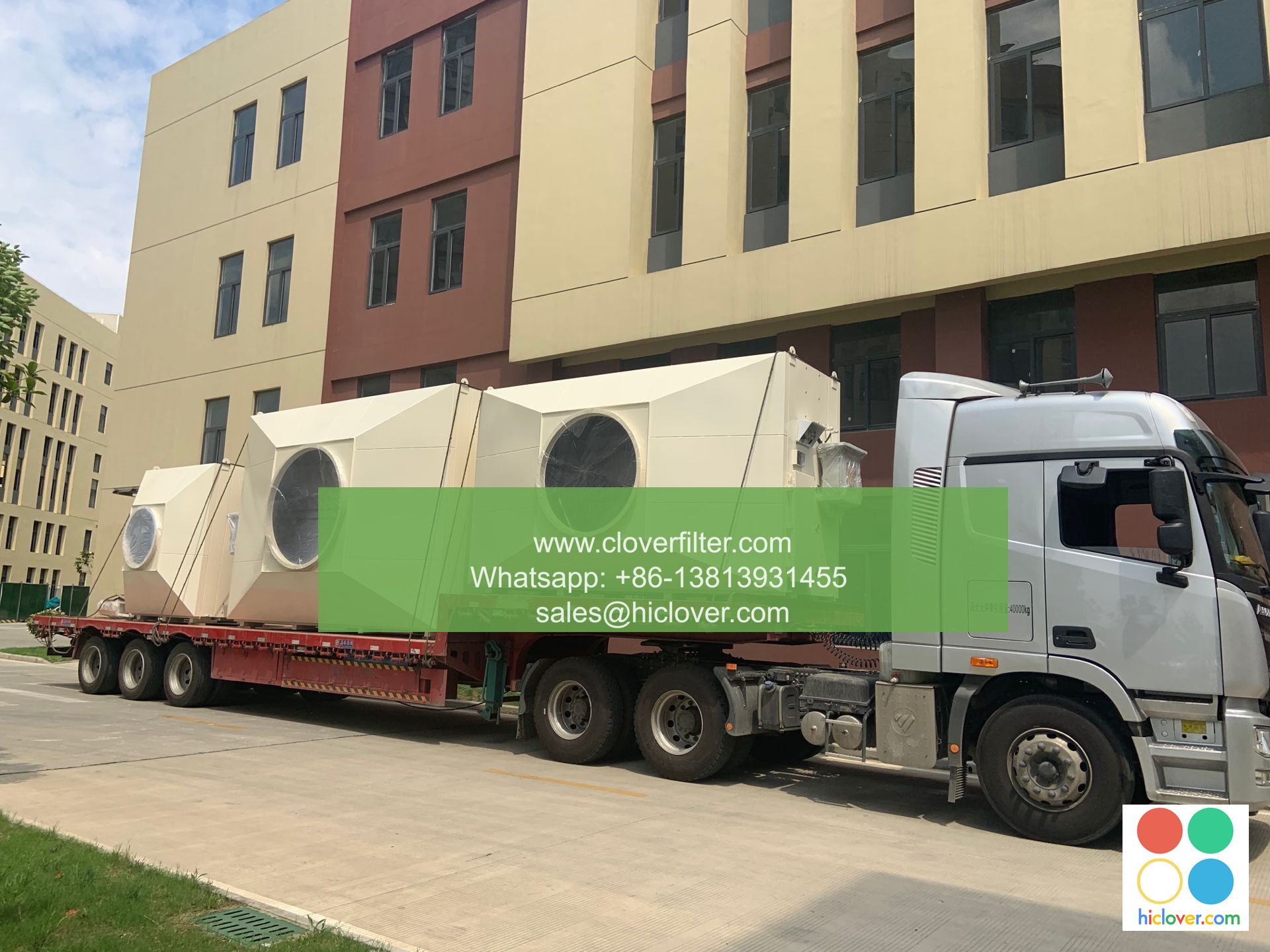
Air filter design plays a vital role in preventing the spread of airborne pathogens. A well-designed air filter can capture a significant proportion of airborne pathogens, reducing the risk of infection and transmission. Air filter design factors such as [1] flow rate, filter material, and capture efficiency are critical in determining the effectiveness of an air filter in preventing airborne infection.
How Air Filters Work
Air filters work by using a combination of filter materials, such as fiberglass, polyester, and activated carbon, to capture airborne particles and pathogens. The filter material is designed to capture particles of a specific size, with smaller particles requiring more advanced filter materials. [2] HEPA (High Efficiency Particulate Air) filters, for example, are designed to capture 99.97% of particles as small as 0.3 microns, including bacteria, viruses, and other airborne pathogens.
Application Areas
Air filter design is crucial in several application areas, including:
- Healthcare: In healthcare settings, effective air filtration is critical in reducing the spread of airborne pathogens, such as [3] SARS-CoV-2, the virus that causes COVID-19. In addition to HEPA filters, some healthcare facilities may also use UV light technology to inactivate airborne pathogens.
- Education: In educational settings, air filters can help reduce the transmission of airborne pathogens, such as influenza and other viruses.
- Commercial spaces: In commercial settings, such as offices and shopping malls, air filters can help reduce the spread of airborne pathogens, improving indoor air quality and occupant health.
Design Considerations
When designing air filters, several factors must be considered, including:
- Flow rate: The flow rate of an air filter determines the volume of air that can pass through the filter per unit of time. A higher flow rate can reduce the risk of clogging and ensure efficient air circulation.
- Filter material: The choice of filter material is critical in determining the effectiveness of an air filter. HEPA filters, for example, are designed to capture small particles, while activated carbon filters may be more effective at capturing larger particles.
- Capture efficiency: The capture efficiency of an air filter is critical in determining its effectiveness in capturing airborne pathogens. A higher capture efficiency can reduce the risk of airborne pathogens entering the air.
Conclusion
Air filter design plays a vital role in airborne infection control, reducing the risk of transmission and improving indoor air quality. By understanding the importance of air filter design, healthcare professionals, educators, and facility managers can make informed decisions about the choice of air filters and ensure the health and well-being of occupants. In addition, ongoing research and development of new filter technologies will continue to improve the effectiveness of air filters in preventing the spread of airborne pathogens.
I’m ready to help! What’s your question or topic you’d like to discuss?
