The Science of Air Filter Media: Understanding the Basics
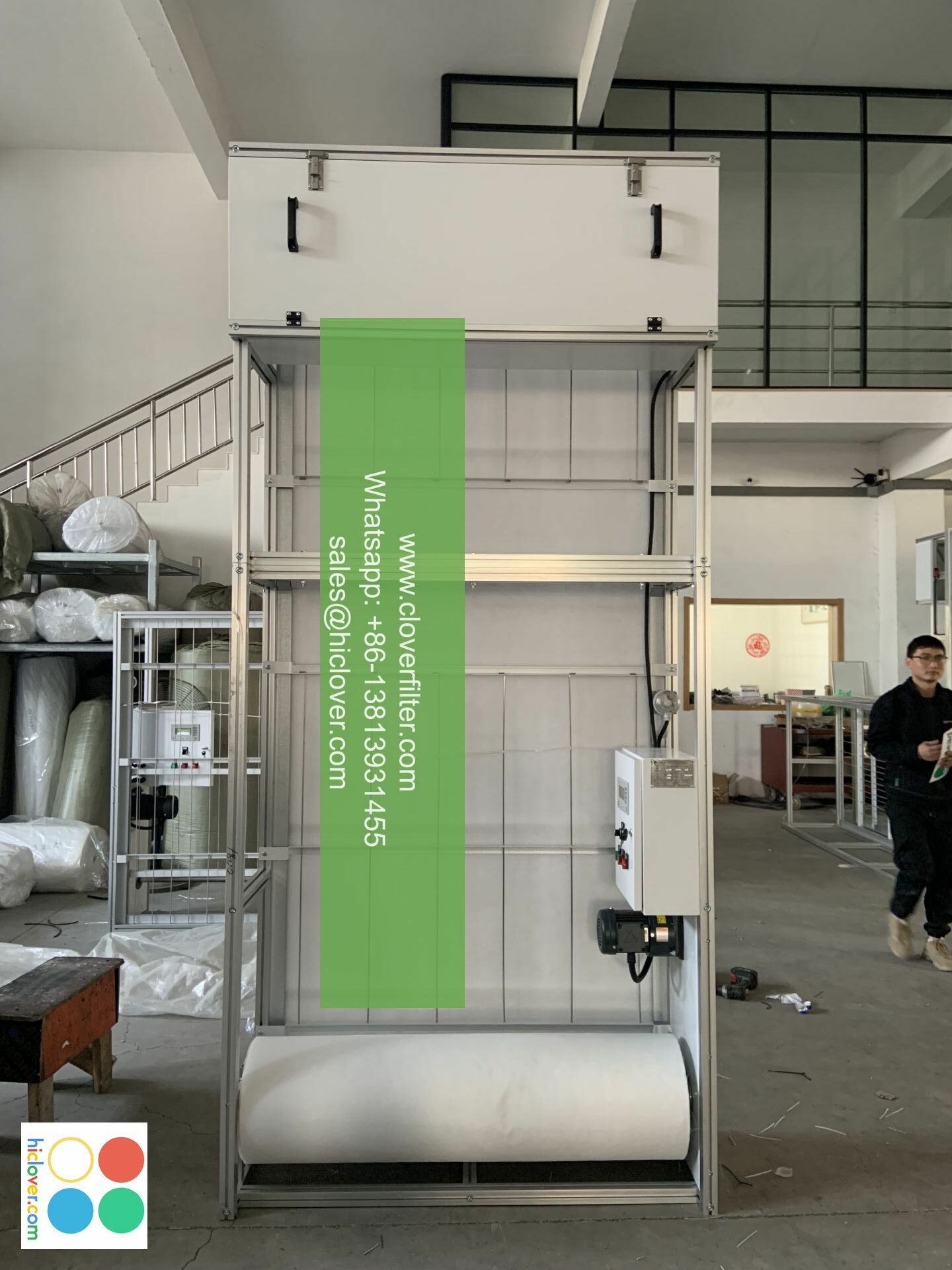
The Science of Air Filter Media: Understanding the Basics
What is Air Filter Media?
Air filter media refers to the core components of air filters that capture dust, allergens, and other airborne particles to improve indoor air quality. Effective air filter media is crucial in various applications, including residential, commercial, and industrial settings.

The Science of Air Filter Media
Air filter media works on the principle of mechanical filtration, where particles are captured as air passes through the filter. The filter’s surface area and depth determine its ability to capture particles. The two primary types of air filter media are:
1. Fibrous Media
Fibrous media are the most common type, composed of natural or synthetic fibers, such as cotton, polyester, or rayon. These fibers trap particles through mechanical interlocking, where the fibers’ surface area and depth work together to capture particles.
2. Membrane Media

Membrane media, on the other hand, are thin, porous sheets made of polymer or other materials. These membranes have a smaller pore size than fibrous media, making them effective against smaller particles and aerosols.
Key Factors Affecting Air Filter Media Performance
Several factors impact the performance of air filter media, including:
1. Particle Size
The size of the particles being captured affects the filter’s efficiency. Smaller particles require finer pores and a larger surface area for effective capture.
2. Filter Thickness
Thicker filters have a greater surface area, allowing them to capture more particles, while thinner filters may be more prone to clogging.
3. Airflow Rate
Airflow rate, or the volume of air passing through the filter, influences filter performance. Higher airflow rates can lead to reduced efficiency and increased pressure drop.
4. Temperature and Humidity
Temperature and humidity levels can affect the filter’s properties, such as its porosity and adsorption capacity.
Applications of Air Filter Media
Air filter media is essential in various industries and settings, including:
1. HVAC Systems
Air handling units and HVAC systems rely on air filter media to remove contaminants, allergens, and odors from the air.
2. Industrial Processes
In industrial settings, air filter media is used in processes like paint finishing, powder coating, and dry cleaning to capture particles and fumes.
3. Residential and Commercial Spaces
Air filter media is used in residential and commercial buildings to improve indoor air quality, reduce odors, and minimize particle spread.
4. Medical and Biosafety
Hospital operating rooms, laboratories, and other medical settings require high-efficiency air filter media to prevent the spread of airborne pathogens and contaminants.
Conclusion
In conclusion, understanding the science of air filter media is crucial for unlocking its full potential. By comprehending the factors that influence filter performance, selecting the right filter media for a specific application, and properly maintaining the filter, you can improve indoor air quality and ensure the well-being of occupants. Whether in residential, commercial, or industrial settings, air filter media plays a vital role in keeping the air clean and healthy.
I’m here to help! What would you like to talk about? Do you have a specific question, or would you like to generate a topic for our conversation together?
