Calgary Food Processing Plant Management: The Benefits of Implementing Automatic Roll Air Filters

Calgary’s food processing plants are renowned for their high standards of quality and cleanliness. To maintain these standards, plant managers must ensure that their facilities are equipped with the most effective and efficient systems for controlling contamination and improving air quality. One crucial aspect of this is the implementation of automatic roll air filters. These innovative systems offer numerous benefits that can enhance the overall management of food processing plants in Calgary.
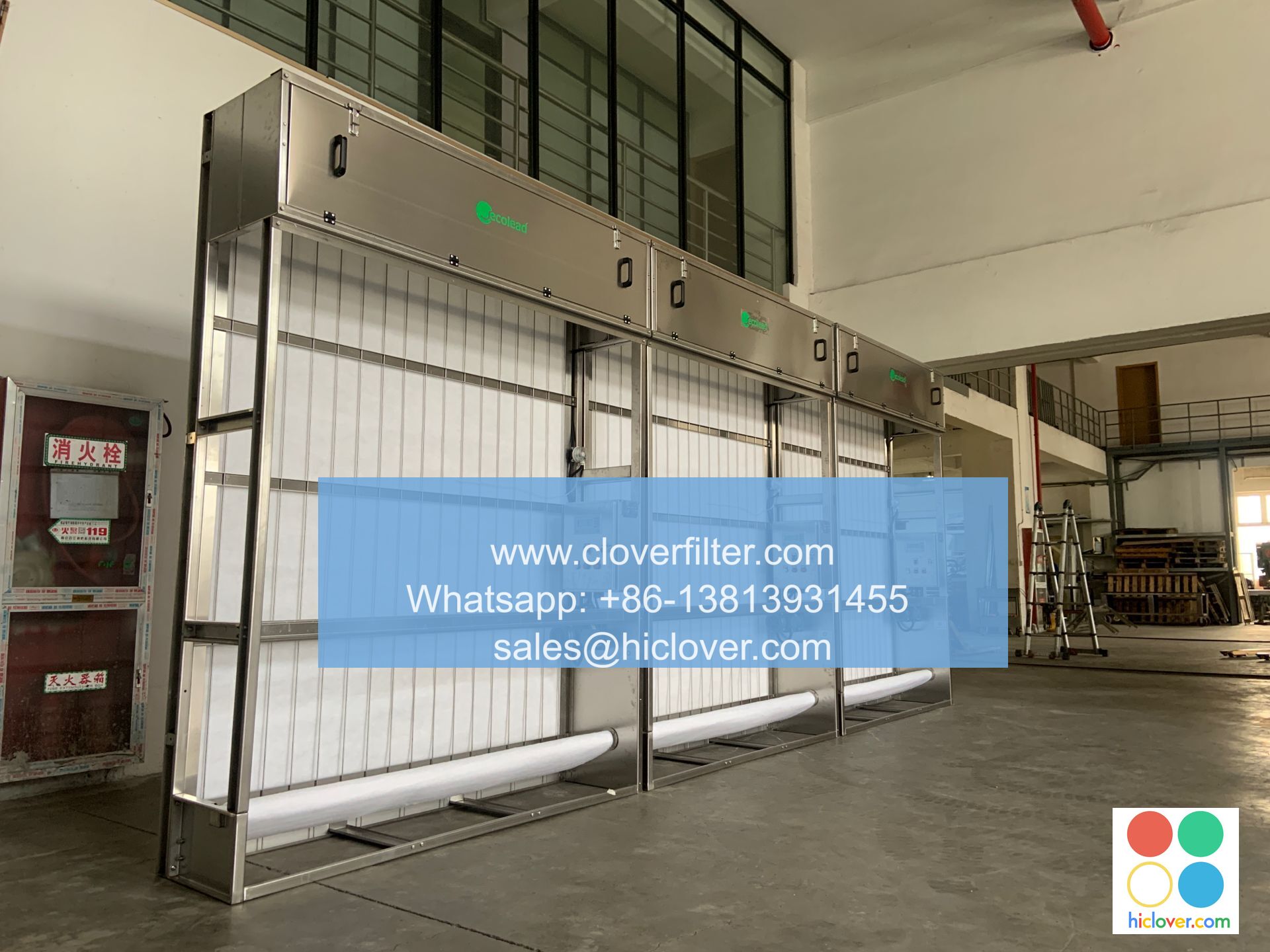
Automatic roll air filters are designed to provide a continuous supply of clean air by automatically rolling out a new filter media as the old one becomes saturated. This process eliminates the need for manual replacement, reducing labor costs and minimizing downtime. Moreover, these systems can be programmed to adapt to the specific needs of the plant, taking into account factors such as air quality, temperature, and humidity. By maintaining optimal air quality, food processing plants can prevent contamination, reduce the risk of spoilage, and improve the overall quality of their products.

The benefits of implementing automatic roll air filters in Calgary’s food processing plants are multifaceted. Firstly, they enhance air quality by capturing up to 99% of airborne particles, including dust, pollen, and other contaminants. This is particularly important in food processing plants, where the presence of these particles can compromise the quality and safety of the products. Secondly, automatic roll air filters can help reduce energy costs by minimizing the need for frequent filter replacements and decreasing the load on the plant’s HVAC system. Additionally, these systems can extend the lifespan of the plant’s equipment by preventing damage caused by airborne contaminants.
Another significant advantage of automatic roll air filters is their ability to improve the workplace environment for employees. By maintaining high air quality, these systems can reduce the risk of respiratory problems and other health issues associated with poor air quality. This, in turn, can lead to improved employee productivity, reduced absenteeism, and a lower rate of employee turnover. Furthermore, automatic roll air filters can help food processing plants comply with regulatory requirements and industry standards, such as those set by the Canadian Food Inspection Agency and the Hazard Analysis and Critical Control Points (HACCP) system.
In terms of maintenance, automatic roll air filters are relatively low-maintenance compared to traditional filter systems. They are designed to be easy to install, operate, and maintain, with minimal downtime required for maintenance and repairs. Additionally, these systems can be integrated with existing HVAC systems, making them a convenient and cost-effective solution for food processing plants. To ensure optimal performance, it is essential to regularly inspect and maintain the automatic roll air filters, including checking the filter media, cleaning the system, and replacing worn-out parts.
When selecting an automatic roll air filter system for a food processing plant in Calgary, there are several factors to consider. These include the size and layout of the plant, the type of products being processed, and the specific air quality requirements. It is also essential to choose a system that is designed for the food processing industry, with features such as stainless steel construction, easy cleaning, and compliance with regulatory requirements. By carefully evaluating these factors and selecting the right automatic roll air filter system, food processing plants in Calgary can reap the numerous benefits associated with these innovative systems.
In conclusion, automatic roll air filters offer a range of benefits for food processing plants in Calgary, from improving air quality and reducing energy costs to enhancing employee productivity and compliance with regulatory requirements. By implementing these systems, plant managers can ensure that their facilities are equipped with the most effective and efficient systems for controlling contamination and improving air quality, ultimately leading to improved product quality, reduced costs, and increased competitiveness in the market.
Frequently Asked Questions
Q: What are the benefits of automatic roll air filters in food processing plants?
Automatic roll air filters offer numerous benefits, including improved air quality, reduced energy costs, enhanced employee productivity, and compliance with regulatory requirements.
Q: How do automatic roll air filters work?
Automatic roll air filters work by automatically rolling out a new filter media as the old one becomes saturated, providing a continuous supply of clean air and eliminating the need for manual replacement.
Q: What factors should be considered when selecting an automatic roll air filter system?
When selecting an automatic roll air filter system, factors to consider include the size and layout of the plant, the type of products being processed, and the specific air quality requirements. It is also essential to choose a system that is designed for the food processing industry, with features such as stainless steel construction, easy cleaning, and compliance with regulatory requirements.
Q: Are automatic roll air filters easy to maintain?
Yes, automatic roll air filters are relatively low-maintenance compared to traditional filter systems. They are designed to be easy to install, operate, and maintain, with minimal downtime required for maintenance and repairs.
Q: Can automatic roll air filters be integrated with existing HVAC systems?
Yes, automatic roll air filters can be integrated with existing HVAC systems, making them a convenient and cost-effective solution for food processing plants.
